Skip to content
Miracle Dream Homes Get a Free Estimate

10 Signs That Your Bathroom Needs a Renovation

Over time, even the best bathrooms lose their shine. Tiles crack, fixtures age, and layouts stop meeting your needs. Knowing when it’s time to renovate helps you avoid bigger and more expensive issues down the road.

Here are ten clear signs that your bathroom needs a renovation.

1. Persistent Leaks and Water Damage

Leaky faucets, damp floors, or stains on the ceiling below your bathroom are not minor issues. Water can cause serious structural damage and lead to mold growth.

Common signs of hidden leaks:

  • Peeling paint or bubbling baseboards
  • Soft spots on the floor
  • Musty smells

If you notice any of these, it’s time to bring in a professional. Water damage doesn’t fix itself — it gets worse. Miracle Dream Homes’ Bathroom Renovation team in Ottawa handles water damage repairs and waterproofing to prevent future leaks. We hire licensed plumbers and electricians who are qualified to work on bathroom renovation Ottawa projects. 

2. Outdated Design

If your bathroom looks stuck in another decade, it’s probably time for an update. Old tile colors, outdated vanities, or low lighting can make the space feel tired.

A renovation lets you modernize your bathroom with:

  • Sleek fixtures
  • Efficient LED lighting
  • Fresh tile designs and textures

Small updates can make a big difference. Learn more about our Powder Room Renovation services for simple yet elegant transformations. Talk to our project managers before starting your bathroom renovation. They will assist with layout options and selection of suitable lights and bathroom furniture items.

3. Poor Layout or Limited Space

If you’re constantly bumping into things or have no room for storage, your bathroom layout isn’t working. Modern bathrooms are designed for convenience and flow.

A bathroom remodel can:

  • Reposition fixtures for better movement
  • Add cabinets or shelving
  • Create separation between wet and dry areas
     

Functional design improves daily use and adds long-term value to your home.

4. Mold and Mildew

Bathrooms with poor ventilation often suffer from mold. This isn’t only unsightly — it’s a health hazard. You’ll often find it in grout lines, ceilings, or corners.

A proper bathroom renovation project adds:

  • Ventilation fans
  • High quality mold-resistant materials
  • Better sealing around wet areas

According to the Government of Canada, prolonged exposure to indoor mold can cause respiratory problems and allergic reactions (source).

5. Constant Repairs

If you find yourself frequently fixing minor plumbing or electrical issues, you’re only patching deeper problems. Old pipes, worn seals, and faulty wiring are signs your bathroom is nearing the end of its lifespan.

A complete renovation replaces old systems with new, efficient, and safe installations. It’s a smarter long-term investment.

6. Low Water Pressure

Weak water flow often points to buildup inside pipes or outdated plumbing. Sediment, corrosion, or narrow piping can restrict water flow.

Replacing old pipes or upgrading fixtures can restore strong water pressure. Miracle Dream Homes offers Basement Bathroom Installation services that include modern plumbing and proper pressure balancing.

7. Insufficient Lighting

Dim lighting can make your bathroom feel smaller and less inviting. It can also make grooming difficult.

Consider upgrading to:

  • Recessed lighting for general illumination
  • Task lighting around mirrors
  • Soft accent lighting for relaxation

Good lighting enhances both function and mood.

8. Worn or Cracked Tiles

Cracked tiles and discolored grout make your bathroom look neglected and can lead to water leaks. Over time, moisture seeps through cracks and damages the subfloor.

A new tile installation improves both safety and aesthetics. Choose non-slip tiles for better grip and durability, especially in walk-in showers.

9. Your Family’s Needs Have Changed

Your bathroom should evolve with your lifestyle. Maybe you’ve added children to the family, or you want a safer space for aging relatives.

Common upgrades include:

  • Walk-in showers instead of tubs
  • Grab bars for safety
  • Double sinks for busy households

Miracle Dream Homes offers Tub to Shower Conversion services perfect for accessibility and modern living.

10. You’re Planning to Sell

A dated bathroom can reduce your home’s resale value. According to the Appraisal Institute of Canada, bathroom renovations provide one of the highest returns on investment for homeowners (source).

A stylish, efficient, and clean bathroom makes a strong impression on buyers and increases property value. Even minor updates such as new fixtures or countertops can deliver noticeable returns.

Final Thoughts

Renovating your bathroom is more than a design choice — it’s a practical investment in comfort, health, and value.

If your bathroom shows any of these signs, it’s time to take action. The professionals at Miracle Dream Homes in Ottawa provide full-service renovations — from design to completion.

Whether you’re updating a small powder room or building a new ensuite, our experienced team delivers durable, beautiful results that fit your lifestyle.

Visit Miracle Dream Homes to request a free consultation and start your bathroom renovation journey today.
Renovating a Century-Old Bathroom in Ottawa: Challenges & Rewards

Ottawa’s older neighbourhoods are full of history, character, and charm. Owning a house in these areas is a point of pride. Places like the Glebe, Sandy Hill, Centretown, and Old Ottawa South are filled with homes built more than 100 years ago. 

Old Ottawa bathroom renovations in a century-old home, charm often meet reality. Behind the walls and under the floors are unique challenges that require expertise, patience, and a clear plan. 

Common Challenges in Century-Old Bathrooms

As charming as older houses are, they come with a whole host of construction challenges. Here’s the list of issues we have to tackle when managing bathroom renovation in Ottawa’s older areas. 

Outdated Plumbing

Many homes built before the mid-20th century still rely on galvanized steel or cast-iron pipes. These materials corrode over time, reducing water flow. Replacing them with modern copper or PEX piping is essential for reliability and efficiency.

Electrical Safety

Older bathrooms were never designed to handle today’s electrical loads. Hair dryers, heated floors, or even LED lighting can overwhelm outdated wiring. Rewiring to the current code, adding GFCI outlets, and ensuring proper grounding are non-negotiable upgrades.

Space Constraints

Bathrooms in the Glebe or Centretown were often compact. Maximizing storage and improving layout are challenges. Creative solutions, such as floating vanities, pocket doors, and custom-built shelving, help make the most of limited space.

Uneven Floors and Walls

After a century, it’s common to find sagging floors, cracked plaster, or uneven tile substrates. These issues must be addressed before new finishes are installed. Levelling floors and reinforcing joists protect your investment and ensure a quality renovation.

Hidden Surprises

Opening up walls in a Sandy Hill Victorian can reveal anything from knob-and-tube wiring to old lead pipes. Budgeting for contingencies is critical. Many contractors recommend setting aside 15–20% of your budget for unexpected discoveries.

The Rewards of Restoring and Renovating

Preserving Character

Century-old homes often feature high ceilings, large windows, and architectural details that are worth preserving. By blending period-appropriate finishes—like clawfoot tubs, mosaic tile, or vintage-inspired fixtures—with modern functionality, you keep the home’s personality intact.

Increasing Home Value

Updated bathrooms are one of the strongest investments. According to the Canadian Real Estate Association, bathroom renovations can yield up to 75% of their cost in added home value. In sought-after neighbourhoods like the Glebe or Sandy Hill, this return can be even higher.

Modern Comforts

Heated floors, walk-in showers, and efficient fixtures provide comfort that century-old bathrooms lacked. Combining modern amenities with historical design elements gives you the best of both worlds.

Energy and Water Savings

Upgrading to low-flow toilets, efficient faucets, and LED lighting reduces your utility bills. It also lowers your environmental impact, which matters in a city focused on sustainability like Ottawa.

Practical Steps to Renovating a Century-Old Bathroom

  1. Start with a Professional Assessment

    Hire experts to inspect plumbing, electrical systems, and structural integrity. This sets the foundation for a realistic plan.
  2. Set a Realistic Budget

    Renovating a century-old bathroom is not the same as updating a suburban en-suite. Expect higher costs for demolition, disposal, and specialized trades.
  3. Plan for Permits

    Ottawa’s older neighbourhoods often have heritage overlays. Depending on the scope, you may need city permits or approvals to preserve certain features.
  4. Choose the Right Contractor

    Experience matters. Contractors familiar with older homes understand how to address uneven framing, heritage finishes, and tricky layouts. Miracle Dream Homes, serving Ottawa since 2004, specializes in bathroom renovation projects that respect both history and functionality.
  5. Blend Old with New

    Consider refinishing an antique vanity with a modern sink, or pairing subway tile with original wood trim. These design choices preserve the authenticity of your bathroom while ensuring it meets today’s standards.

Example: An Old Ottawa South Bathroom Transformation

Bathroom renovation in Old Ottawa South.

One homeowner in the old Ottawa South wanted to restore a bathroom in their century-old brick house. The bathroom had its original clawfoot tub but suffered from leaking plumbing and drafty windows. Check this link for more information about this bathroom renovation project.

Our team carefully modernized the space while preserving its historical charm, installing a new vanity, an efficient toilet, and a custom-tiled shower that blended seamlessly with the home’s timeless aesthetic. We reinforced old structures and worked around original features to ensure both safety and style.

The final result is a beautifully updated bathroom that respects the home’s history while offering modern comfort.

Other work on the project included: 

  • Replacing corroded cast-iron and copper pipes with PEX
  • Installing heated tile floors for comfort
  • Adding a custom vanity with a quartz countertop
  • Upgrading electrical wiring to the current code

The result was a bathroom that maintained its early 20th-century charm while functioning as a modern, comfortable space.

Services That Make Renovating Easier

Miracle Dream Homes offers specialized services for bathrooms in Ottawa’s older homes:

From initial design consultation to final inspection, every step is handled by experienced professionals who understand the unique needs of century-old homes.

Why Ottawa Homeowners Value Renovating Older Bathrooms

  • Heritage preservation supports neighbourhood character.
  • Modern upgrades improve daily living.
  • Energy savings reduce long-term costs.
  • Updated bathrooms raise property values in sought-after districts.

Neighbourhoods like Sandy Hill and Centretown showcase the blend of historic architecture with modern living. Renovating your bathroom is part of maintaining that balance.

Thinking About Your Own Renovation?

Ask yourself:

  • Do you want to preserve original features, such as a clawfoot tub?
  • Are you prepared for potential surprises behind the walls?
  • Have you set aside a budget buffer for contingencies?
  • Do you want a timeless look or a complete modern upgrade?

Answering these questions will guide your design decisions and help ensure a smooth renovation process.

External Resources

  • The City of Ottawa Heritage Planning Division provides information on heritage permits and guidelines for renovations: ottawa.ca 
  • The Canada Mortgage and Housing Corporation (CMHC) offers advice on renovating older homes, including dealing with asbestos and lead paint: cmhc-schl.gc.ca

Final Word

Managing old Ottawa bathroom renovations takes patience and planning. The challenges are real—outdated systems, uneven structures, and hidden surprises. But the rewards outweigh the obstacles. You end up with a bathroom that respects your home’s history while delivering modern comfort, efficiency, and value.

Whether you live in the Glebe, Sandy Hill, or Centretown, updating your bathroom is an investment in both your home and your lifestyle. With the right team, your renovation project can bring new life to one of the most important rooms in your home.

Accessible Bathroom Renovation Funding in Ontario and Canada

Making your bathroom safe and accessible is important if you are a senior or living with a disability. The cost of any bathroom remodel project can feel overwhelming, but there are programs in Ontario and across Canada that help cover these expenses. If you live in Ottawa or anywhere in Ontario, this guide will show you where to get support and how to apply.

Why Upgrade Your Bathroom for Accessibility?

The primary goal of the accessible bathroom renovation project is to help homeowners prevent falls and injuries, support their independence, and make daily routines easier for their loved ones. Accessible bathrooms enable seniors to stay at home longer and enhance comfort for everyone in the household.

Most common accessible bathroom renovation features include:

  • Walk-in or roll-in showers
  • Grab bars
  • Raised toilets
  • Non-slip flooring
  • Wider doors for wheelchairs

Available Funding Programs for  

There are several options available for adding accessibility features to a bathroom in Ottawa, supported by both provincial programs and Canada-wide federal grants or tax credits. Most programs target people with disabilities, seniors, or those with substantial mobility impairments, and funding is typically available for renovations such as grab bars, accessible showers, widened doorways, and adaptive devices. Below are the main resources, eligibility, and application links.

Ottawa Bathroom Renovation Provincial Programs

Home & Vehicle Modification Program (HVMP)

This program, offered by March of Dimes Canada and funded by the Ontario government, provides up to $15,000 lifetime maximum to help modify homes (including bathrooms) for greater accessibility. Eligible expenses cover items like roll-in showers, grab bars, and widened doorways.

Ontario Renovates

This program offers $15,000–$25,000 to low-income seniors or people with disabilities for home accessibility modifications, including bathroom upgrades.

EASE Grant (Enhancing Access to Spaces for Everyone)

As of 2025, the EASE Grant provides up to $60,000 for small capital projects, including housing retrofits and accessibility improvements (may apply to not-for-profits or municipalities).

Ontario Disability Support Program (ODSP)

ODSP income support recipients may access benefits for home modifications required for accessibility.

Canada Federal Programs

Enabling Accessibility Fund (EAF)

The EAF offers grants up to $200,000 for small projects and up to $12,000 for youth-driven projects that improve community accessibility, including accessible washrooms and doors.

Home Accessibility Tax Credit (HATC)

This federal non-refundable tax credit allows seniors (65+) and eligible persons with disabilities to claim 15% of up to $20,000 in renovation costs each year, for a maximum credit of $3,000.

Additional Support

  • For veterans: Veterans Affairs Canada provides support for accessibility modifications.

EASE guidelines PDF: https://forms.mgcs.gov.on.ca/en/dataset/d9e5baef-8b9e-4406-b797-c01ce758a41e/resource/9146c498-0ccc-4c5c-b380-099b0b90be43/download/2025-26_ease_guidelines_en_final-ua.pdf

March of Dimes Canada and other community organizations may also offer aids and guidance in preparing grant applications.

Main Funding Programs

Here is a simple breakdown of programs that help pay for accessibility renovations in Ontario:

ProgramFunding AmountWho QualifiesWhat’s CoveredWebsite
HVMP (March of Dimes)Up to $15,000 (lifetime)People with disabilities affecting mobilityRoll-in showers, grab bars, wider doorsMarch of Dimes HVMP
Ontario Renovates$15,000–$25,000 forgivable loanLow-income seniors or people with disabilitiesBathroom upgrades, other accessibility renovationsOntario Renovates Guide
EASE GrantUp to $60,000Municipalities, non-profits, Indigenous groupsHousing retrofits, accessibility projectsOntario Grants
ODSPVariesODSP income support recipientsHome accessibility modificationsODSP Info
Enabling Accessibility Fund (Federal)Up to $200,000 (small projects) or $3M (mid-sized)Community projectsAccessible washrooms, ramps, doorsGovernment of Canada EAF
Home Accessibility Tax Credit (HATC)Up to $3,000 yearly tax creditSeniors 65+ or those eligible for Disability Tax CreditWalk-in tubs, grab bars, non-slip floors, wider doorsCRA HATC

What You Should Do

  1. Decide what changes you need: grab bars, roll-in shower, or a full remodel.
  2. Get written quotes from licensed contractors.
  3. Apply to HVMP or Ontario Renovates if you qualify.
  4. Keep every receipt for tax credits.
  5. Check if federal programs or charities apply to your case.

Bathroom renovation costs Ottawa

  • Grab bars: $200–$400
  • Walk-in shower: $6,000–$12,000
  • Roll-in shower: $10,000–$20,000
  • Raised toilet: $500–$1,000
  • Full remodel: $15,000–$30,000+

Funding programs lower these numbers when used together.

FAQs

1. Do I need to own my home to apply for funding?

Yes, most programs like Ontario Renovates and HVMP require you to be a homeowner. Renters should ask landlords if they qualify under community grants.

2. Can I combine different programs?

Yes. For example, you can receive Ontario Renovates funding and still claim the Home Accessibility Tax Credit.

3. How long does it take to get approved?

Processing times vary. Municipal programs may take several weeks to months. Tax credits are applied when you file your taxes.

4. Do contractors need to be licensed?

Yes. Programs require professional quotes and invoices. Work must meet accessibility and building code standards.

5. What if I don’t qualify for government funding?

You can still claim accessibility expenses on your taxes and explore nonprofit supports such as Easter Seals or the ALS Society. Some banks also offer low-interest home renovation loans.

How Miracle Dream Homes Helps

Miracle Dream Homes has renovated bathrooms in Ottawa since 2004.

We provide quotes that meet program requirements.

We install walk-in showers, grab bars, and full accessibility remodels.

We guide you through the process so you get the most out of available funding.

Ottawa Bathroom Renovation Permits: What You Need to Know

Thinking about updating your bathroom? Before you start swinging a hammer, you need to understand Ottawa’s renovation permit process.

Ignoring permits slows projects down. It costs more. It can lead to fines or forced removal of work. All this can be avoided. Here’s how.

When You Need a Permit

You need a permit if your bathroom renovation project includes:

Moving plumbing (e.g., changing the location of a toilet or sink)

  • Building or removing walls
  • Structural changes
  • Adding a bathroom to a new space (e.g., basement)
  • Installing new windows or enlarging existing ones

You don’t need a permit for cosmetic updates like:

  • Replacing tiles
  • Painting
  • Swapping fixtures without moving them

The best way to decide whether in you need a permit is to ask yourself: am I changing the structure, layout, or plumbing? If yes, you need a permit.

Where to Apply

Apply through the City of Ottawa’s Building Code Services. You can submit online through ottawa.ca.

They also offer in-person help at the Client Service Centres.

What You Need to Submit

Have this ready:

  • Floor plans (existing and proposed)
  • Mechanical plans if you’re changing plumbing or ventilation
  • Permit application form
  • Project description

Plans must be to scale and detailed.

Permit Fees

For a bathroom renovation in Ottawa:

  • Minimum permit fee: $114
  • Plumbing fee: $13 per fixture (e.g., sink, toilet, tub)
  • Review surcharge may apply if resubmissions are needed

Common Mistakes to Avoid

  • Skipping the permit: City inspectors do random checks. Neighbours complain. If caught, you’ll pay double.
  • Not checking zoning rules: Basement bathrooms in some zones require extra ventilation or waterproofing standards.
  • Inadequate drawings: Vague or messy plans delay approval.
  • Hiring unlicensed contractors: If your contractor doesn’t pull the right permits, you’re still responsible.
  • Starting before approval: Never start work before the City signs off.

How Long Approval Takes

Average turnaround:

  • 5 business days for standard residential projects
  • Delays if your plans need corrections

Plan ahead. Don’t assume you’ll get approved the same week.

Inspections You’ll Need

At minimum:

  • Rough-in plumbing
  • Framing (if walls are added)
  • Final inspection before use

Book inspections at each stage through your MyServiceOttawa account.

Real Example

A homeowner in Nepean added a basement bathroom. They started without a permit. A neighbour tipped off the City. The homeowner had to rip out finished drywall, pay double permit fees, and delay the project by two months. It could be avoided.

If your project involves plumbing or structural work, start with permits. It saves time. It protects your investment. It keeps you on the right side of the law.

Planning a bathroom renovation in Ottawa? Start with the City’s website. Get your drawings. Know the fees. Don’t skip steps.

Need help with the paperwork? Hire a contractor who handles permits.

Make this step one—not an afterthought.

Custom shower our shower kit: which one should you choose?

Custom shower or prefabricated shower kit? It’s a common question our customers ask when planning a bathroom renovation or tub-to-shower conversion project. Each option has its own advantages and considerations, particularly in the Ottawa market. 

Your choice will depend on some of the key considerations, such as differences in cost, installation timelines, durability, bathroom layout, and overall project complexity. 

Custom Shower Installation

Custom showers are best suited for homeowners seeking a unique, high-end bathroom design. They reflect the personal taste and character of the house. However, more often than not, they are the only option because of the unique bathroom layout or existing plumbing configuration. 

Custom showers typically come with high-end materials like porcelain tiles, natural stone, custom glass shower enclosures, and shower heads. They offer personalized bathing and showering experience.

The typical cost of a custom shower installation in Ottawa ranges from $6,000 to $30,00. The final estimate will depend on materials, design complexity, and labour costs. For instance, a custom walk-in shower can cost between $3,500 and $15,000.

The installation process for a custom shower is more time-consuming, often taking 2 to 4 weeks. This includes stages like demolition, plumbing, waterproofing, tiling, and installing fixtures.

With proper maintenance, custom showers can last several decades. The use of high-quality materials and professional installation make custom showers last long.

Custom installations are complex projects requiring skilled professionals. They involve detailed planning, precise measurements, and coordination among various tradespeople, including plumbers, electricians, and tilers.

Shower Kits

Shower kits are prefabricated units that include all necessary components for installation, such as the shower base, wall panels, doors and faucets. They are designed for straightforward assembly and are available in various styles and sizes to fit standard bathroom layouts. 

They are best fit for budget-conscious renovations or quick bathroom updates. Rental properties or secondary bathrooms are another good fit for shower kits. When time and budget are of the essence, shower kits are a good option. 

They are commonly available through retail store chains such as Home Depot, Rona or even Costco. 

Shower kits are a more budget-friendly option, with prices ranging from $400 to $2,000 . Installation costs are generally lower thanks to the simplified process.

The installation of a shower kit is quicker, typically taking 3 to 5 days . Some kits, like MAAX’s Utile system, can be installed in just a few hours .

While not as durable as custom showers, high-quality shower kits can last 10 to 15 years with proper care. Materials like acrylic and fiberglass are resistant to mold and mildew, contributing to their longevity.

Shower kits are designed for ease of installation, making them suitable for DIY enthusiasts or quick professional installations. They require minimal modifications to existing plumbing and structures.

Popular Shower Kit Brands in Canada

Several reputable brands offer shower kits in the Canadian market:

  • MAAX: Known for their Utile series, MAAX offers stylish and easy-to-install shower kits with various design options.
  • OVE Decors: Offers a range of contemporary shower kits featuring tempered glass and sleek hardware.
  • Appollo: Provides durable and modern shower enclosures suitable for various bathroom sizes.
  • Jade Bath: Offers elegant designs with features like frameless glass and low-profile bases.

Custom Showers vs shower kits: Comparative Summary

FeatureCustom Shower InstallationShower Kit Installation
Cost$6,000 – $30,000$400 – $2,000
Timeline2 – 4 weeks3 – 5 days
Longevity20+ years10 – 15 years
ComplexityHigh – requires professionalsLow – DIY-friendly
Best ForLuxury, personalized designsBudget-friendly, quick installs

Choosing between a custom shower installation and a shower kit depends on your budget, timeline, and design preferences. Custom showers offer unparalleled design flexibility and durability, ideal for homeowners investing in their forever homes. In contrast, shower kits provide an affordable and efficient solution for quick renovations or secondary bathrooms. By understanding the differences, you can make an informed decision that aligns with your renovation goals.

How to Renovate Your Bathroom in Ottawa Using Canadian-Made Products

Thinking of bathroom renovation while supporting local Canadian businesses? For those of us living in Ottawa — and across Canada — there’s growing interest in doing home renovations that support Canadian businesses and use locally-sourced materials. The catch? It’s not as easy as it sounds.

With U.S.-Canada trade tensions back in the spotlight and most big box stores being American-owned, it takes a bit of research and intention to renovate with a “Made in Canada” mindset. Here’s your guide to navigating those waters and doing a bathroom reno the local way.

The Trade Factor: Tariffs Are Back

The newly introduced tariffs mean one thing – higher costs for building materials. If you’re doing a renovation in Ottawa, you’ve probably noticed that most construction retailers—Home Depot, RONA (Lowe’s) —are U.S.-owned. These stores dominate the market and don’t always prioritize Canadian-made goods, making it hard for homeowners to find truly local materials.

Step 1: Planning Your Bathroom Renovation the Local Way

Before you even start knocking down drywall or removing old vanities, make a list of what you’ll need:

  • Tiles and flooring
  • Vanity and cabinets
  • Sink, toilet, and fixtures
  • Tub or shower unit
  • Lighting
  • Paint and finishes
  • Lumber and drywall

Once you have your list, the next step is to look for Canadian-made and locally sourced options—especially right here in the Ottawa area.

Step 2: Where to Shop (That Isn’t Home Depot or RONA)

Home Hardware is one of the last large-scale Canadian-owned hardware chains. Many locations across Ottawa—including in Nepean, Gloucester, and Orleans—are locally owned and operated, and they proudly label Canadian-made items. Website: https://www.homehardware.ca/

The WoodSource (Manotick) If you’re looking for high-quality Canadian lumber, head to The WoodSource in Manotick. They specialize in locally milled hardwoods and softwoods, reclaimed wood, and custom orders. A perfect alternative to big box stores for wood panels, trim, and even shelving. Website: https://wood-source.com.

KOTT Lumber (Ottawa East). A well-established Ottawa-based supplier for framing lumber and other materials. They’ve been around since 1974 and prioritize Canadian sourcing wherever possible. https://www.kottgroup.com/

  • Canadian Tire: Multiple locations across Ottawa. While they carry international brands, they do stock Canadian-made items in various departments, including tools and some building materials Website: https://www.canadiantire.ca/ (Use their store locator for Ottawa locations)
  • BMR (through independent dealers): Look for BMR dealers in the Ottawa region. BMR is a Canadian-owned buying group with a focus on building materials and hardware. Website: https://www.bmr.ca/en/ (Use their store locator to find dealers in the Ottawa area)
  • Castle Building Centres (through independent dealers): Similar to BMR, look for independent Castle Building Centre members in Ottawa. They often prioritize local and Canadian sourcing. Website: https://www.castlebc.com/ (Use their “Find a Store” feature for Ottawa locations)
  • Timber Mart (through independent dealers): Another Canadian buying group supporting independent lumber and building material retailers. Search for Timber Mart locations in Ottawa. Website: https://timbermart.ca/ (Use their “Find a Location” tool)

Independent Lumberyards and Building Supply Stores:

  • Morin Supply: Located at 100 Bayview Station Road. They have been serving the Ottawa-Gatineau region for many years, supplying quality building materials to both professionals and homeowners. Website: https://www.morinsupply.com/
  • Bytown Pro: A supplier of building materials for both residential and commercial projects. They are located in the Ottawa-Gatineau region. Website: (Likely no dedicated website, may have a social media presence or can be found through business directories)
  • Nepean Building Supplies: With locations in Nepean (30 Jamie Avenue) and Carp (2809 Carp Road). They focus on serving local contractors and homeowners with a range of building materials, including roofing, siding, and lumber. Website: https://www.nepeanbuildingsupplies.com/
  • D.L. Building Materials Inc.: Located at 1-1300 Upper Canada Street. They are a large distributor of drywall and other specialized building materials in Eastern Ontario and Western Quebec. Website: https://www.dlbuildingmaterials.com/
  • Merkley Supply: Located at 100 Bayview Station Road. Specializes in masonry, stone, brick, and landscaping products, as well as other specialty building supplies. Website: https://merkleysupply.com/
  • FlooReno Building Material Store: Located at 900 Belfast Rd. They offer a wide range of building materials, hardware, flooring, and more, with a focus on being a one-stop shop. Website: https://floorreno.ca/
  • Reno Liquidators: While the name suggests liquidation, they carry a wide variety of building supplies, including lumber, hardware, insulation, and more, with a location in Ottawa. Website: https://renoliquidators.ca/
  • Cosmaroma Home Reno Supplies: Located at 1491 Innes Rd Unit B. They offer a wide selection of home renovation supplies, including doors, flooring, tools, and accessories. Website: https://www.cosmaroma.ca/
  • The WoodSource (Manotick): If you’re looking for high-quality Canadian lumber, head to The WoodSource in Manotick. They specialize in locally milled hardwoods and softwoods, reclaimed wood, and custom orders. A perfect alternative to big box stores for wood panels, trim, and even shelving. Website: https://www.thewoodsource.com/

Specialty Stores:

  • Lee Valley Tools: Located at 900 Morrison Dr. A Canadian company known for its high-quality woodworking and gardening tools, many of which are their own designs and some manufactured in Canada. Website: https://www.leevalley.com/en/
  • Ottawa Fastener Supply: With two locations (2205 Robertson Road in Nepean and 3020 Hawthorne Road in Gloucester). They offer a vast selection of fasteners, tools, and equipment, rivaling big box stores. Website: https://www.ottawafastener.com/
  • Preston Hardware: Located in Little Italy at Preston Street. A large independent hardware store with an extensive selection of hardware, tools, paint, plumbing, electrical, and more. They also have a kitchen and bath design center. Website: https://www.prestonhardware.com/
  • Habitat for Humanity ReStore: Two Ottawa locations (250 City Centre Avenue Unit #118 and 768 Belfast Road, and also in Stittsville at 3 Iber Road). They sell donated new and gently used home furnishings, appliances, and renovation materials at discounted prices. Shopping here is also a sustainable choice. Website: https://habitatgo.ca/restore/
  • Mondeau Bathroom & Kitchen (Ottawa & Gatineau): This locally-based showroom offers a curated selection of bathroom products, including Canadian-made brands like Maax (bathtubs), Riobel (faucets), and Vanico Maronyx (vanities). They have experts on-site who can help you stay local with your choices. Website: https://mondeau.ca/en/ (Check their website for Ottawa and Gatineau locations)

Step 3: Choosing Canadian-Made Bathroom Products (Brands to Look For):

Here are a few brands to look for when shopping locally:

Many of these brands are available at local showrooms or through Canadian distributors in Ottawa.

Step 4: Consider Local Labour Too

Hiring an Ottawa-based contractor helps support the local economy and reduces transportation emissions. Ask them upfront if they’re open to sourcing Canadian materials and supporting local suppliers. Some contractors already work with Canadian companies and can help guide your purchase decisions.

If you’re DIY-ing the job, many independent Ottawa shops are more than willing to walk you through installation and help you avoid costly mistakes—something you might not get from a big box store.

Step 5: Don’t Forget Salvage and Reuse

Ottawa has some great spots for gently used and vintage bathroom components. Consider checking out:

  • Habitat for Humanity ReStore (Stittsville, Train Yards) – You’ll often find fixtures, tiles, doors, and lumber at a fraction of the cost.
  • Architectural Antique (Carleton Place) – Great for one-of-a-kind mirrors, vanities, and decorative elements.

The Truth: It’s Hard to Go 100% Canadian

Let’s be real—trying to source every single item from Canadian companies is tough, especially when American giants dominate the supply chain. Even Canadian brands sometimes manufacture parts internationally. The goal isn’t perfection—it’s mindfulness. Every local or Canadian-made choice you make counts.

Doing a bathroom renovation in Ottawa with Canadian-made products takes more effort than just hitting up the nearest Home Depot. But it’s worth it. You’ll get high-quality, often better-designed materials, support local jobs, and reduce your carbon footprint—all while sticking it to unfair trade policies that make it harder for Canadian businesses to compete.

Supporting local doesn’t mean sacrificing style or quality. In fact, it’s just the opposite. When you choose Canadian, you’re building a bathroom—and an economy—you can be proud of.

Want help sourcing local materials for your next bathroom renovation in Ottawa? We’d be happy to point you to Canadian suppliers, artisans, and showrooms. Let’s keep it local.

Planning a project in Nepean? Explore our Nepean bathroom renovations service and discuss Canadian-made product options with our team.

Can I renovate my bathroom for $5,000

Is a $5,000 Bathroom Renovation in Ottawa Doable? It’s probably the most common question we get asked.

Let’s be honest, a $5,000 budget for a full bathroom renovation in Ottawa is tight, however it all depends on what result you want to see after the renovation and also a lot will depend on your ability to make smart choices and plan carefully.

Here’s how these factors stack up:

Size: A smaller bathroom generally costs less to renovate.

Scope: A complete gut job will cost more than a refresh.

Materials: Luxury materials like expensive tile and high-end fixtures quickly inflate costs.

Labor: professional trades like plumbers, electricians, tiling and drywall contractors in Ottawa typically charge $50-$100 per hour.

With this starting points in mind let’s crunch some numbers:

Choosing the fixtures: 

Toilets: Home Depot offers basic toilets for $200-$500, while higher-end models can reach $1,000+. 

Bathtubs: Standard alcove bathtubs start around $300 at Bath Depot, but freestanding or whirlpool tubs can cost thousands.

Mixing valves: you can purchase a reliable brand or a “designer-fixture”, which looks nice, but has no reliable record. Choosing a good shower/tub fixture is tricky. Obviously, you need to know how to get the best value and quality, without compromising on the looks. If you have such experience, you are in luck and can perfectly make this choice on your own. This is an entire topic on its own, and an experienced renovator’s knowledge will certainly be useful for those, who do not know the nuances of the plumbing fixtures like mixing valves.  

Waterproofing: some contractors will offer a lower price, but they skip a waterproofing technique and materials and/or will not invite a professional licence plumber, opting to deal with plumbing connections on a DIY level. Some homeowners will be ok with accepting a lower cost vs spending money on such fundamental things. Although this may not affect the immediate appearance of the finished product, and the project may still look very nice, neglecting this step increases the risk of major issues later.

Tiling: Local tile suppliers in Ottawa, like Home Depot, Rona may sell some ceramic tiles starting at $2 per square foot. In specialty stores like Eurotile, Centura, Sarana tile and Olympia there are many choices and the sky’s the limit for any budget. Prices are also higher for porcelain, natural stone, and mosaics. Installation cost also differs based on what material is chosen, since it takes more time working with natural stone, mosaics or tile with a particular pattern.

Refinish instead of replacing: You can certainly opt for refinishing your bathtub, sink, and vanity cabinets, however, depending on what else you are doing, it might be not as cost effective as it seems. To refinish a tub and to buy a new tub, it is almost the same cost. The difference is in the installation of the new tub. But if you suspect the leak of the tub drain and you wanted to change tub surround for updated tile, then this option does not suit you at all, since to find and repair a leak in the existing tub, will be more expensive, than to change the tub. 

Another consideration is the aesthetics of the finished project. You may think that to refinish a vanity would be cheaper, but if the vanity style is overall old, repainting the same cabinet would still give you an outdated look, so the money would be spent, but no good result achieved. 

How to stay on budget during bathroom renovation:

Project management: If you manage your renovation yourself by coordinating all the necessary purchases, doing some things by yourself, hiring the right contractors when needed and coordinating all sequences for each job. 

Refinish, if it makes sense, instead of replacing. 

Shop smart: Compare prices at big box stores like Home Depot and Rona, but also check out local suppliers and liquidation yards for deals. 

Choose budget-friendly materials. To install vinyl click flooring instead of tile is cheaper, you can even opt to do it yourself, if you are handy, but do not have special tools necessary for tile installation.  A stock laminate countertop instead of quartz will certainly help you fit into a very tight budget. 

Get multiple quotes: Contact several Ottawa contractors for quotes, ensuring they provide detailed breakdowns of labor and material costs, but make sure you are comparing “apples to apples”, paying attention not just to the price, but what is included and the quality of the materials included (like in the case of waterproofing and mixing valves for shower/tub).

A $5,000 bathroom renovation in Ottawa is achievable only with careful planning, smart shopping, and a willingness to compromise. Prioritize your needs, get creative with your design, and don’t be afraid to get your hands dirty!

At Miracle Dream Homes, we have several bathroom renovation packages. The simplest bathroom renovation is a powder room update, which starts at just $2500 for materials only. If this is something you are interested in, or would like to see other packages, please, check our Bathroom Renovation Cost page 

Common Bathtub Replacement Myths – Ottawa Edition

Replacing your bathtub in Ottawa can feel like a big job. That’s one of the reasons many homeowners put bathroom renovations off. Some contractors know this and sometimes exploit people’s lack of knowledge. Let’s look at some common myths you should avoid.

Myth 1: All bathtub replacements cost a fortune.

Some bathtub replacements cost a lot. This depends on the tub, the material, and the labour. A standard acrylic tub replacement in Ottawa costs between $3,000 and $5,000. This includes labour and materials. You can find cheaper options.

Consider these factors:

  • Bathtub material: Acrylic is the most affordable. Cast iron and stone resin cost more.
  • Bathtub size and style: Standard sizes cost less. A large soaker tub or a walk-in tub increases the price.
  • Plumbing and tile work: Sometimes you need extra work. This adds to the cost. Get multiple quotes to compare prices.

Myth 2: You need a contractor to replace your bathtub.

You can replace a bathtub yourself. This requires plumbing and tiling knowledge. It also takes time and effort.

Ask yourself these questions:

  • Do you have experience with plumbing and tiling?
  • Do you have the tools?
  • How much time do you have?

If you answer “no” to these questions, hire a contractor.

Myth 3: Wait until you renovate your whole bathroom.

You do not need to renovate your entire bathroom to replace your bathtub. A contractor can replace your tub without changing the rest of your bathroom. This saves money.

Myth 4: You must buy your bathtub from a contractor.

You have options. Many stores in Ottawa sell bathtubs.

Compare prices and find the best deal.

Myth 5: Replacing your bathtub takes a long time.

A typical bathtub replacement takes 1-2 days. This depends on the complexity of the job.

Factors that affect the timeline:

  • Bathtub type
  • Plumbing work
  • Tile work

Ask your bathroom renovation contractor for a detailed timeline.

Myth 6: Winter is a bad time to replace a bathtub in Ottawa.

Some people think you cannot renovate in the winter. This is false. Ottawa bathroom contractors work year-round. Winter can be a good time to find deals. Contractors have more availability.

Replacing your bathtub is a big decision. Do your research. Get multiple quotes. Understand the process. This helps you make the best choice for your Ottawa bathroom renovation project.

Ideas to save space during small bathroom renovation

Renovating a small bathroom is all about smart design choices. With limited square footage, it’s essential to make every inch count. A full bathroom typically requires at least 36-40 square feet, leaving little room to spare. Fortunately, with practical solutions, you can transform your space into a functional and open environment. If your bathroom feels cramped, here are some strategies to save space and make it feel bigger.

Unconventional Sink Styles

You don’t need to stick with a bulky, square vanity sink. Opt for a flat or curved sink instead. These designs take up less room and create a cleaner look. Consider an under-mount sink to increase your available counter space. Your local Home Depot, Lowes or Rona stores have plenty of options.

Custom Cabinets

Custom cabinets allow you to use every inch efficiently. Built-in storage fits your bathroom’s unique dimensions, maximizing space that standard cabinets miss. A cabinet that reaches from floor to ceiling adds storage without using much floor space.

Compact Shower Stalls

Swapping a traditional tub for a compact shower stall opens up more room. A small shower footprint makes the space feel larger, especially if you use clear walls to reduce visual barriers.

Use Vertical Space

Maximize your walls with shelving. Adding shelves above the toilet, sink, or even near the ceiling gives you extra storage without crowding your bathroom. This approach keeps the floor free and the bathroom tidy.

Sliding Door

Consider replacing your swing door with a sliding door. A swing door requires clearance to open, which takes up valuable room. A sliding door tucks away neatly, eliminating this problem and making the space more usable.

Floating Vanity

A floating vanity frees up floor space beneath it. With open shelving below, you can store items without feeling cluttered. If you have more room, add drawers or cabinets for extra storage.

Corner Sink

In small bathrooms, use a corner sink to save space. Positioning the sink in a corner clears up the center of the room for other fixtures.

This design keeps the room’s flow open and reduces crowding. It also provides more flexibility for placing other essential elements like the toilet or shower.

Consider whether a corner sink will fit your bathroom layout. Does your bathroom have underused corners that could work for this solution?

A corner sink is a smart way to increase functionality without compromising comfort. How will you make your small bathroom renovation more efficient?

Have an idea for your bathroom renovation? Let our expert team know!

Accessibility in Bathroom Design: Practical Solutions for Your Home

When designing a bathroom, accessibility is key. It’s about making the space functional for everyone, regardless of mobility. Whether you’re planning a renovation or building from scratch, you need to think about long-term usability.

Why Accessibility Matters

You need a bathroom that works for everyone. As you or your loved ones age, mobility may become an issue. By planning ahead, you can create a space that accommodates current and future needs.

Key Accessibility Features

  • Walk-in Showers: Easy to enter, no high steps. Include a bench and grab bars for extra safety. •
  • Grab Bars: Place them near the toilet, shower, and bathtub. They help prevent falls and provide stability.
  • Non-Slip Flooring: Opt for tiles with texture. Smooth floors get slippery, especially when wet.
  • Adjustable Showerheads: A handheld showerhead is easier to use when seated. You can adjust it to suit different needs.
  • Comfort-Height Toilets: A raised toilet reduces the need to bend down. This makes it easier to sit and stand, especially for those with joint issues.
  • Wider Doorways: Ensure your bathroom door is at least 36 inches wide. This allows for easy wheelchair access.
  • Lever-Style Faucets: These are easier to operate than traditional knobs, especially for individuals with arthritis.

Personal Experience: Small Changes, Big Impact

We’ve worked with clients who didn’t realize the difference a few simple changes would make. One family installed a walk-in shower and added grab bars. They now feel safer, and their bathroom looks better too.

Statistics That Matter

According to Stats Canada, adults aged 65 and older face a higher risk of falls. This risk is due to factors like reduced mobility, muscle weakness, balance issues, and vision problems. Falls can lead to severe health consequences, lower quality of life, and even death for older adults. A lot of these falls happen in bathrooms.

Thought to Consider

How will your bathroom function as your needs change? Do you have older family members who visit? What improvements will keep everyone safe?

Final Tips

  • Plan ahead. Don’t wait until accessibility becomes a necessity.
  • Work with professionals who understand accessible design.
  • Small changes add up. Start with what you can control.

If you’re thinking about a bathroom renovation, accessibility should be at the top of your list. It’s an investment in your future comfort and safety. For more information about upgrading your existing bathroom or adding a new one, please contact us, Your Ottawa Bathroom renovation expert.

Preparing Your Bathroom for Winter: 5 Things You Need to Know

It may seem a bit early to talk about winter when the temperature outside is in the 30s (mid-80s Fahrenheit) but trust us, it’s never too early to start getting your bathroom ready for winter, especially here in Ottawa.

While most focus on winterizing our homes’ exteriors, the bathroom often gets overlooked. But it’s one of the most important rooms to prep for the cold months. From avoiding the nightmare of frozen pipes to simply ensuring your space is warm and cozy, here are a few simple steps to get your bathroom winter-ready.

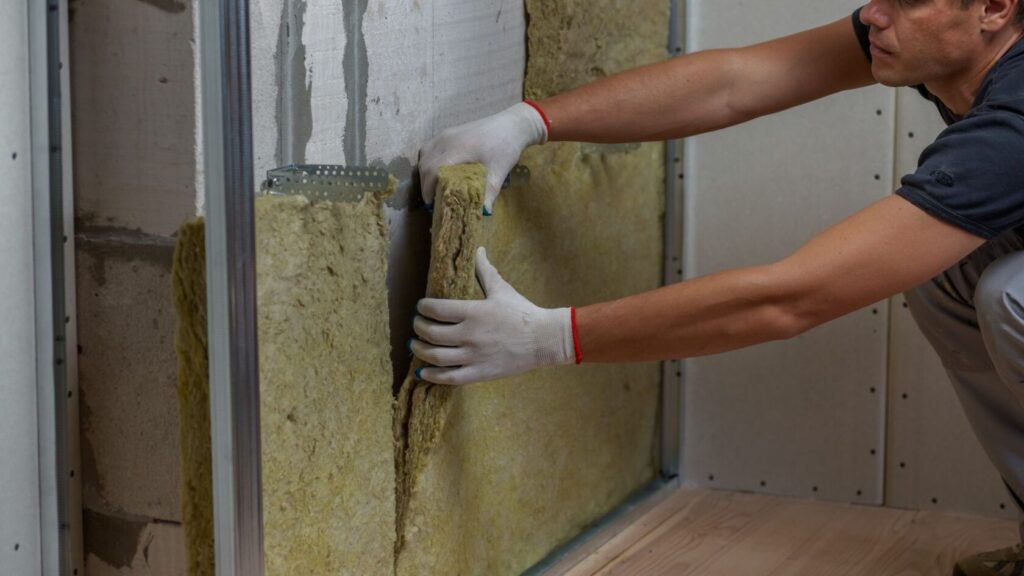
1. Insulate, Insulate, Insulate!

Water and freezing temperatures are a recipe for disaster. A little insulation can go a long way in protecting your bathroom from the cold.

  • Check your windows and doors. Feel for any drafts around them. If you find them, seal them up with weatherstripping or caulk. It’s an easy and cheap fix.
  • Insulate those pipes. Exposed pipes in unheated areas (like crawl spaces or the attic) are most at risk of freezing. Wrap them up with pipe insulation or heat tape to keep them toasty.
  • Remember the walls and attic. If your bathroom shares a wall with the outside or is right under an unheated attic, consider adding insulation to keep the heat in.
  • Inspect the exterior. Look for holes in the walls, loose siding, or cracked bricks near your bathroom. These can let in cold air and should be repaired.
  • Door sweeps are your friend. Adding one to your bathroom door will stop drafts from sneaking in underneath.
A man wearing a black shirt and white gloves is carefully installing insulation in a residential bathroom setting.

2. Keep the Air Circulating

Good ventilation prevents moisture build-up, which can lead to mould. But in the winter, we want to keep that warm air in.

  • Use your exhaust fan wisely. It’s great for removing steam after a shower, but turn it off when the moisture is gone so you’re not wasting heat.
  • Think about a timer switch. A timer on your exhaust fan can ensure it’s not running longer than needed.
  • Close the door! It sounds simple, but closing the bathroom door will help trap the heat.
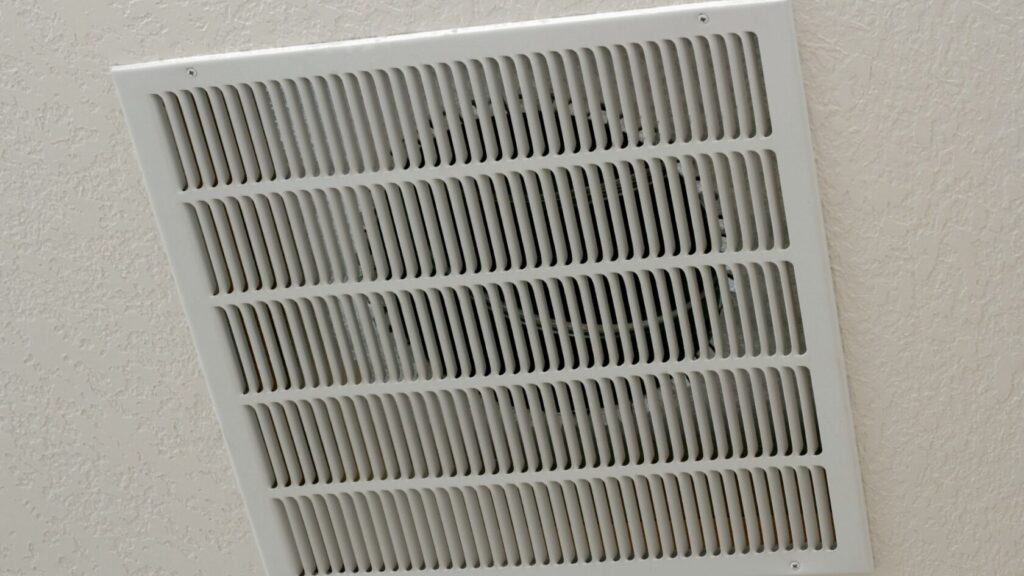
A white air vent installed on a ceiling, providing ventilation and air circulation in the bathroom.

3. Check for Prevent Frozen Pipes

Frozen pipes are probably the worst thing that can happen. They can lead to expensive repairs and a whole lot of mess, so avoid them at all costs.

  • Insulate any exposed pipes. If you have any pipes in your bathroom that you can see, especially those on outside walls, ensure they’re well insulated.
  • Let the faucets drip. During really cold snaps, a tiny drip from your faucets will keep the water moving and make it harder to freeze.
  • Open those vanity doors. If your sink is on an outside wall, open the cabinet doors underneath to let warm air reach the pipes.
  • Keep the thermostat steady. Even if you’re away, keep your house at least 15°C to prevent the pipes from freezing.
  • Know where your main water shut-off is. You need to be able to turn off the water quickly in case a pipe freezes or bursts.
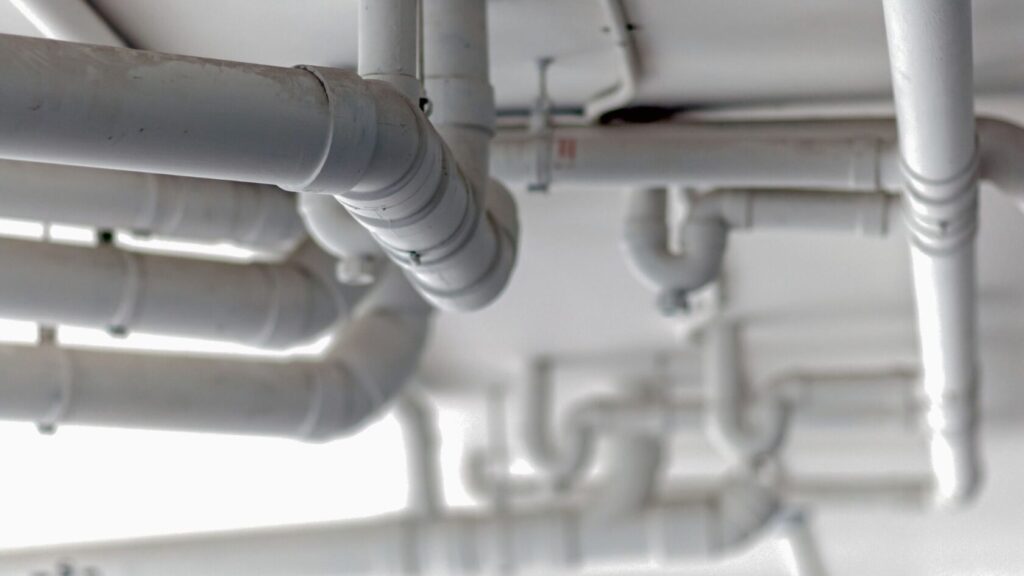
A bathroom with white walls filled with various pipes arranged in a complex network.

4. Add Some Comfort to your Bathroom

Nobody likes stepping onto a cold bathroom floor in the winter. Installing a heated floor will help, and it may not be as expensive as you may think. There are also less drastic measures you can take to make your bathroom more comfortable.  

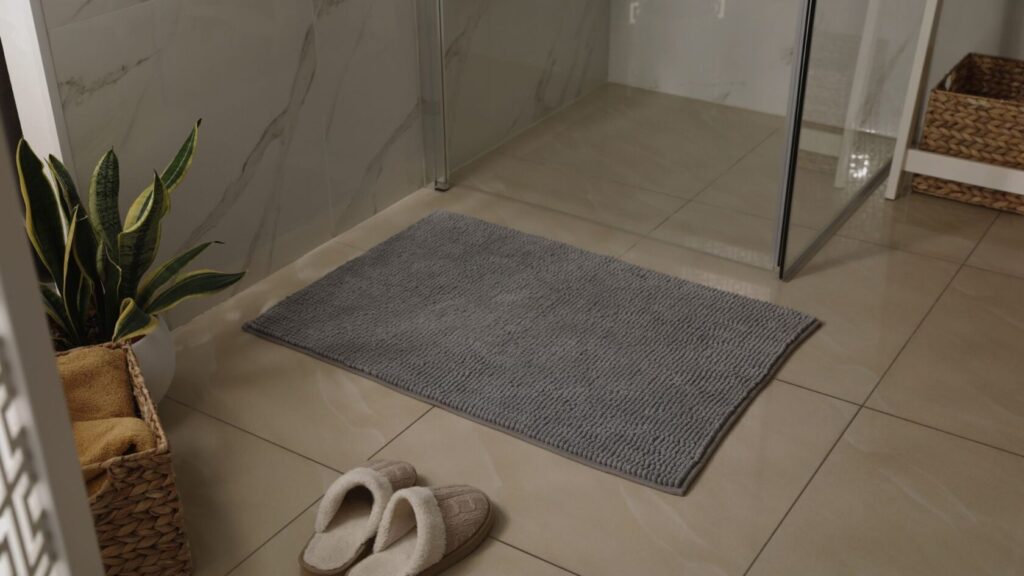
A modern bathroom featuring a shower and a soft gray rug on the floor, creating a serene and stylish atmosphere.
  • Radiant floor heating is a dream. If you’re thinking about a bathroom renovation, it’s a fantastic way to keep your toes toasty.
  • Rugs and mats are your friends. Put down some soft rugs or mats, especially in front of the sink and shower where you stand the most.
  • A heated towel rack is a luxury. Imagine stepping out of the shower and wrapping yourself in a warm towel – pure bliss.
  • Get a small heater for extra comfort. Even a small portable heater can quickly warm the air in your bathroom to a comfortable level.

5. Get Professional Help When Needed

It is always a good idea to consult a professional, especially when it comes to insulation or ventilation. A qualified bathroom contractor can help you ensure that your bathroom is ready for whatever winter throws at it.

Preparing your bathroom for winter and keeping it warm and cozy doesn’t take much. If you have any questions or need help getting your bathroom winter-ready, feel free to contact us.

Custom Bathroom Renovations in Ottawa to Suit Your Needs

One of the most common reasons homeowners in Ottawa renovate their bathrooms is to suit specific needs or requirements. As age catches up to us, bathrooms with a spacious shower and easy entry become more desirable than traditional bathrooms with bathtubs.

It has been a popular trend in the past decade to convert a drop-in bathtub into a spacious walk-in shower. We have also had many customers converting a 4-piece bathroom into a 3-piece bathroom with oversized shower. This is a great choice, and it creates a wonderful spa-like experience.

How We Improved the Functionality of this Bathroom

In this particular example, we worked with a lovely couple from Kanata and their 4-piece bathroom that consisted of drop-in tub, vanity, toilet and neo-angled acrylic base and acrylic walls shower.

Before01
Before02
Before03
Before04

We discussed their needs and after some planning and executing we were left with a beautiful final product of a spacious 3-piece bathroom with a large custom shower.

Artistic 01

As always, we used the Schluter family of products throughout the entire bathroom for waterproofing and tile crack prevention. We added some small details on a choice of accent tile for the walls of the shower and a convenient built-in wall niche. .

Artistic 02

Our customers also showed us where they wanted to have grab bars to allow for greater ease and accessibility into the shower. We are in love with the result and are very excited to share these final photos of the project. This project turned out beautiful and will serve our customers well for years to come.

Artistic 03 2
Artistic 04

To see how we can improve the functionality of your bathroom to suit your needs and discuss your next bathroom renovation, we encourage you to use our online contact form to get in touch.

Capturing Beautiful in Simple – Custom Bathroom Renovations in Ottawa

As humans, we tend to overcomplicate things. For instance, we often think that to create something extraordinary, we need to build complex things and enlist elaborate designs and ideas. The most extraordinary creation is the world of nature around us, and yet the beauty that we are most attracted to in nature is the simplicity of it all. When customers talk to us about custom bathroom renovations in the Ottawa area, we guide them towards simple, yet stylish and trendy designs. Our goal is to help make your home more comfortable and convenient while reflecting your personal style.       

Example of a Custom Bathroom Renovation—Simple Form, Elaborate Function  

When it comes to bathroom renovation, we often find ourselves overthinking simple things. With this project we wanted to emphasize that less is more. We followed the needs of the customer and build the bathroom around that. The customer wanted to have a clean, spacious bathroom that is easy to maintain and will hold its current clean and new appeal for a long time.

Here are some of the concepts we’ve used to bring functional beauty to this bathroom remodeling project:

  • We started with a 4-piece bathroom that included a drop-in tub, a small acrylic shower, a tiled floor and a 60” vanity.
04
01 1
02
  • After discussing the primary needs of the customer, we found that the tub was not often used, and the shower was more preferred. Following the principle of less is more and because the house already had another bathroom with a tub, we suggested eliminating the drop-in tub and created a large barrier-free walk-in shower with a glass panel and no door.
01 2
03
  • We used the space where the old shower was for a custom built-in closet. We kept the vanity size but upgraded to a new vanity with two sinks.
  • By not relocating major fixtures, we were able to avoid costly plumbing works. The entire bathroom was waterproofed with the Schluter family of products. We have used large-scale tile to keep the style with the current trends and to ensure that this bathroom will stay relevant for the next decade. As a final unseen to a naked eye touch, we’ve installed a heated floor. Simple improvement, great function!

If you have any questions regarding our custom bathroom renovation services, we would be more than happy to help. We encourage you to use our online contact form to get in touch.

10 most common mistakes during bathroom renovation

It’s easy to make mistakes during your bathroom renovation project making an entire experience costly and frustrating. By understanding the common errors people make during bathroom renovations, you can save time, money, and a lot of headaches. This will help you avoid the most common pitfalls and ensure your bathroom renovation goes smoothly.

Mistake #1: Poor Planning

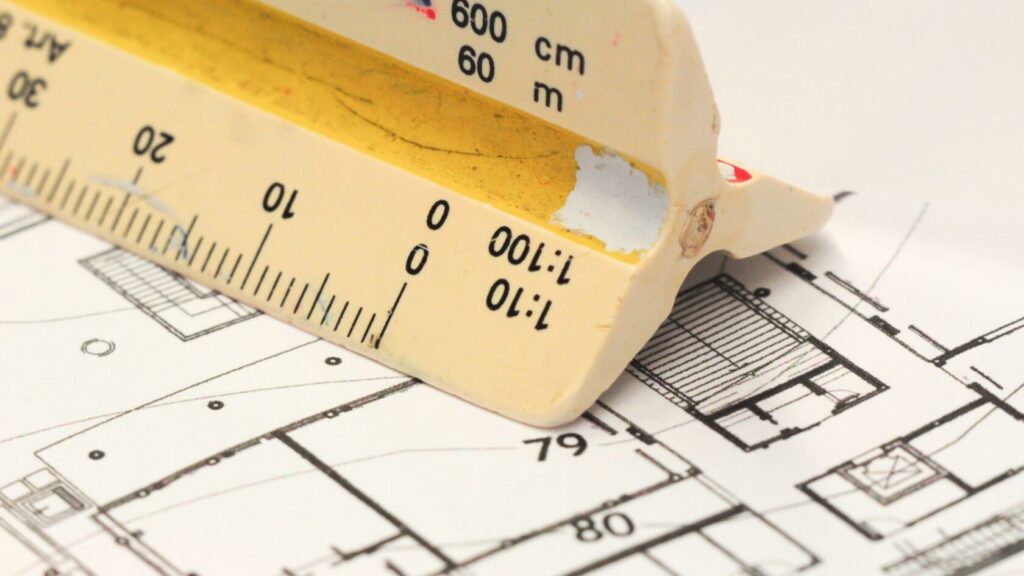
Bathroom space management: ruler and plans

Always, always, always start with a plan! And did we say to MUST start with a plan? Having a plan ensures your project stays on course and you will know immediately know if you stray away. Without meticulous planning, you will encounter unexpected issues. While creating a plan, consider your ideas, design preferences, and functionality. Proper planning will help you avoid the second most common mistake: poor budgeting. But before we go there please remember: planning is crucial.

Mistake #2: Underestimating the Budget

bathroom renovaiton vs bathroom remodel

Many homeowners set a budget but fail to account for unexpected expenses, leading to budget overruns. A good rule of thumb is to add a contingency of at least 20% to your estimated budget to cover unforeseen costs. It is also a wise idea to start contacting bathroom renovation experts to get a rough idea of the scope of work and potential additional services you may need. Many bathroom renovation contractors provide free estimates and you can have several quotes from various companies to make sure you make well-informed decisions.

Mistake #3: Ignoring Plumbing and Electrical Issues

bathroom plumbing

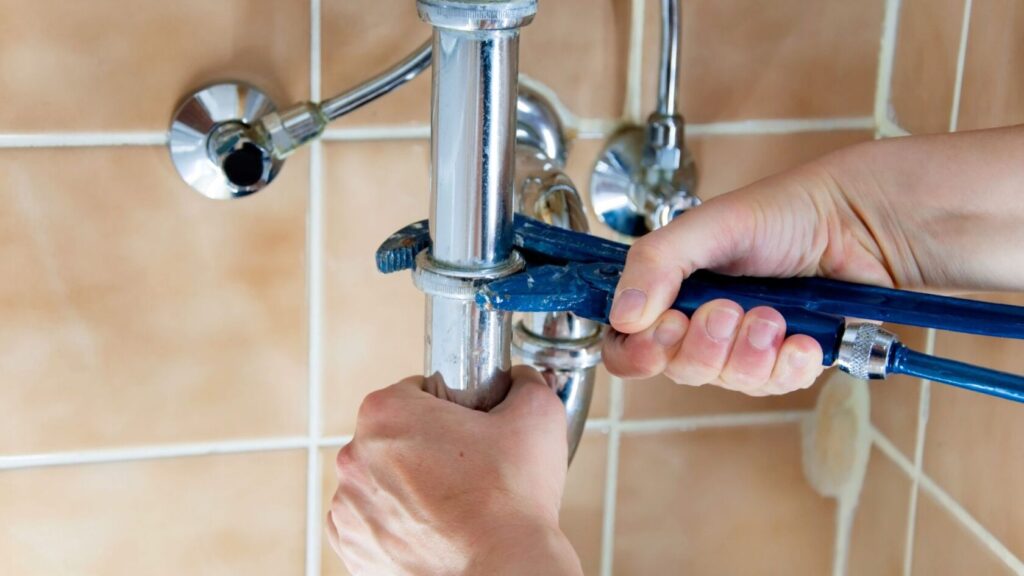
Plumbing and electrical are the areas of the bathroom renovation project where you cannot just wing it. Even a simple alteration needs a professional opinion. Overlooking the complexities of your bathroom’s plumbing and electrical systems can cause major problems to your house and your safety. Always consult professionals to understand how your design will impact the existing plumbing and electrical setup.

Mistake #4: Overlooking Ventilation

bathroom ventilation

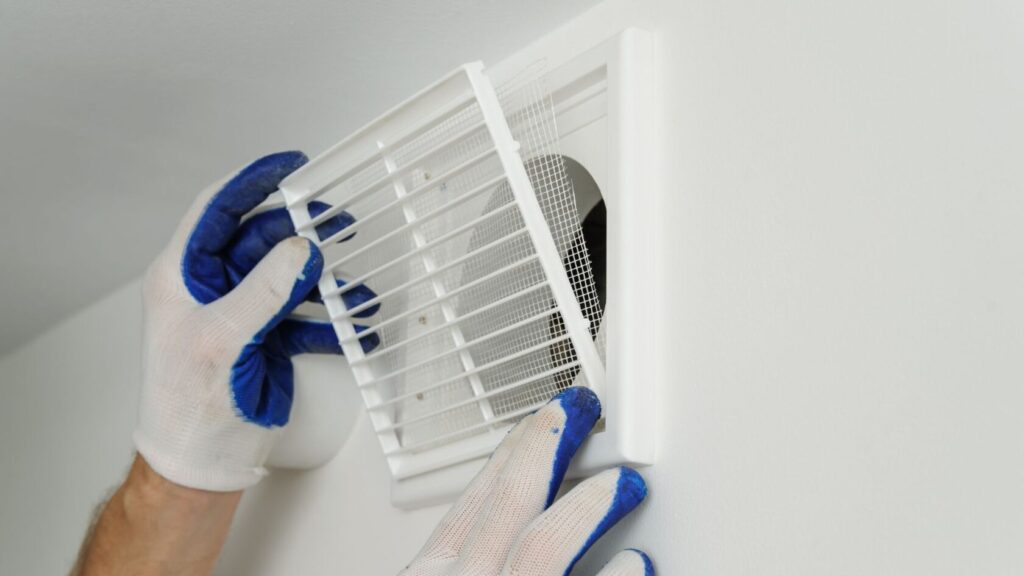
Most renovation projects do not involve major changes to your bathroom’s ventilation system, but even a simple vent replacement may require professional advice. With so many options that range both in price and quality an experienced contractor can give you some pointers that will allow you to save money in the long term. Always think about the amount of moisture in your bathroom, especially during winter months. Poor ventilation leads to the accumulation of mold and mildew. It will result in the degrading of your bathroom elements and create health risks. Make sure your design includes adequate ventilation solutions, such as exhaust fans or windows, to maintain air quality and protect your investment.

Mistake #5: Choosing the Wrong Materials

bathroom renovation drywall

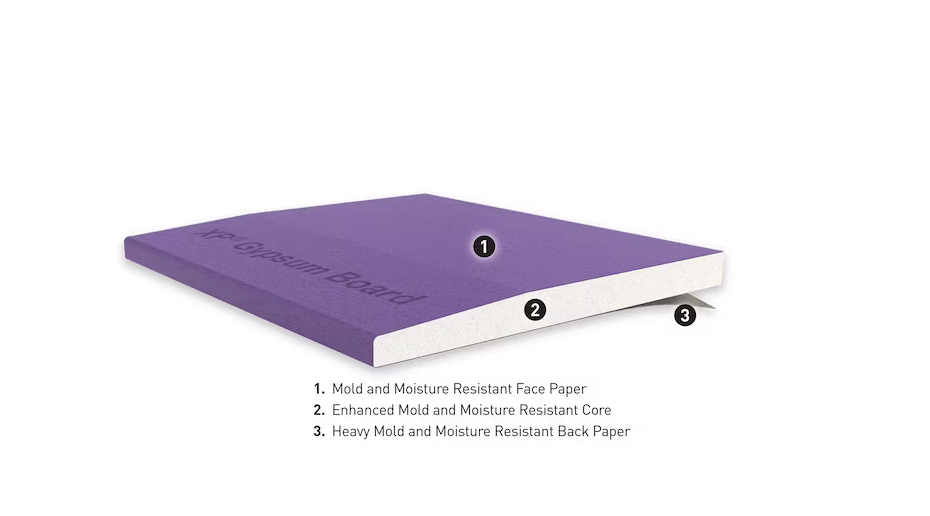
Not all materials are designed to be used in the bathroom renovation project. Lumber, drywall, light fixtures, and tiles have to be rated to be used in the bathrooms. The bathroom environment is harsh, with high moisture levels that many materials can’t withstand. Choose moisture-resistant materials that can handle the humidity and heat, like porcelain tiles or stainless steel fixtures.

Mistake #6: Poor Lighting Design

Lighting in a bathroom is not pure aesthetics. It also serves functional and relaxing purposes. Bright daylight lamps with color temperatures of above 5000 kelvins may work in common areas or outdoors but could not necessarily be a good choice for a bathroom. Include different layers of light: ambient, task, and accent, to enhance both the functionality and aesthetics of the space.

Mistake #7: Not Maximizing Space

bahtroom lights

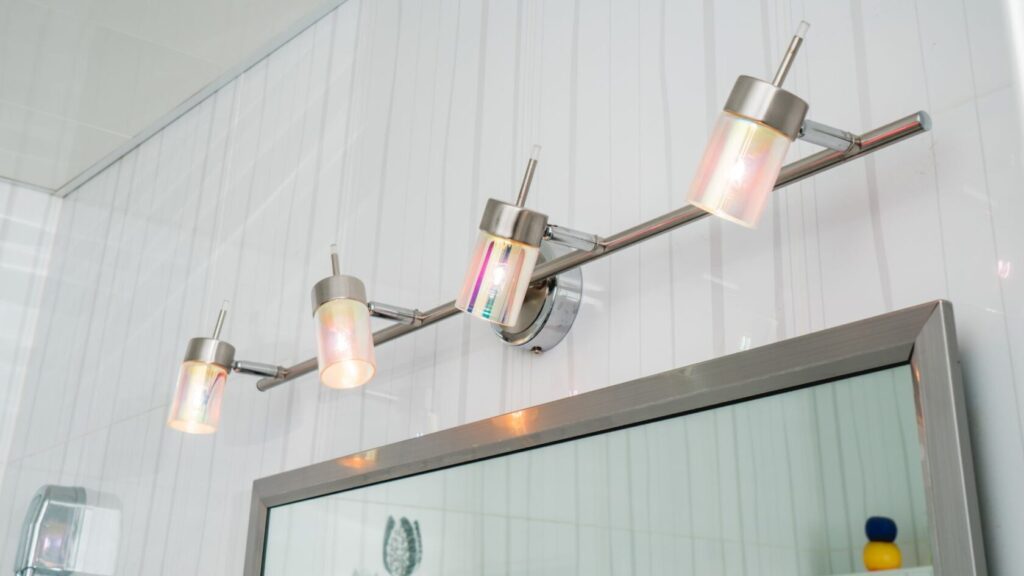
Maximizing space is crucial, even in small bathrooms. Avoid bulky fixtures and consider smart solutions like wall-mounted toilets or sinks to avoid compromising movement. Run your ideas by an experienced contractor. They may be able to help to steer you in the right direction.

Mistake #8: Neglecting Storage

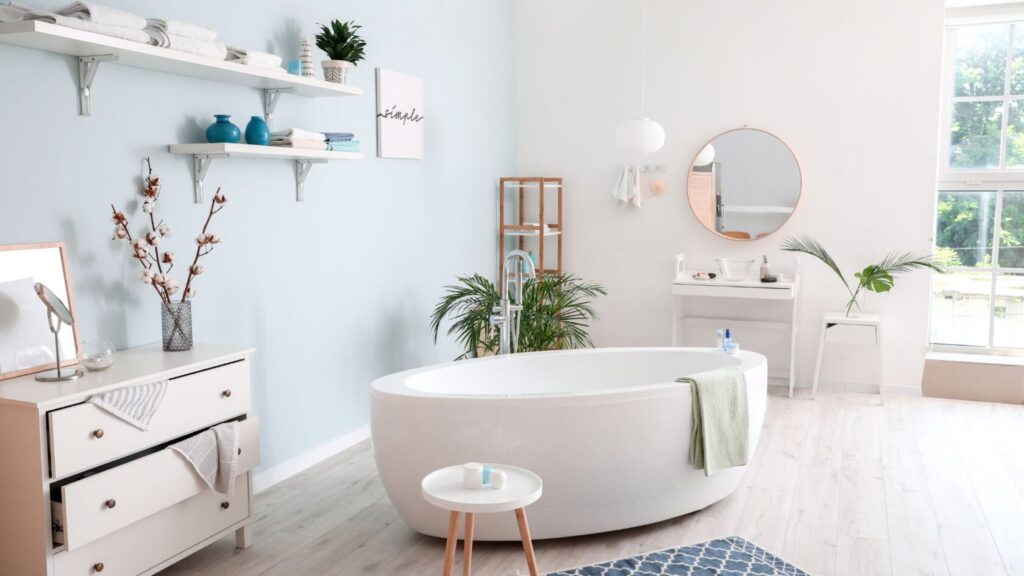
Standalone bath tub in the middle of a bathroom set in white colors

In the excitement of planning where your sink, bathtub, or shower will go, many homeowners forget to plan for an adequate. The key to a clutter-free bathroom is ample cabinet space and shelves. Your contractor may suggest some interesting ideas on how to get the most of your existing space without breaking the bank.

Mistake #9: Prioritizing Trends Over Functionality

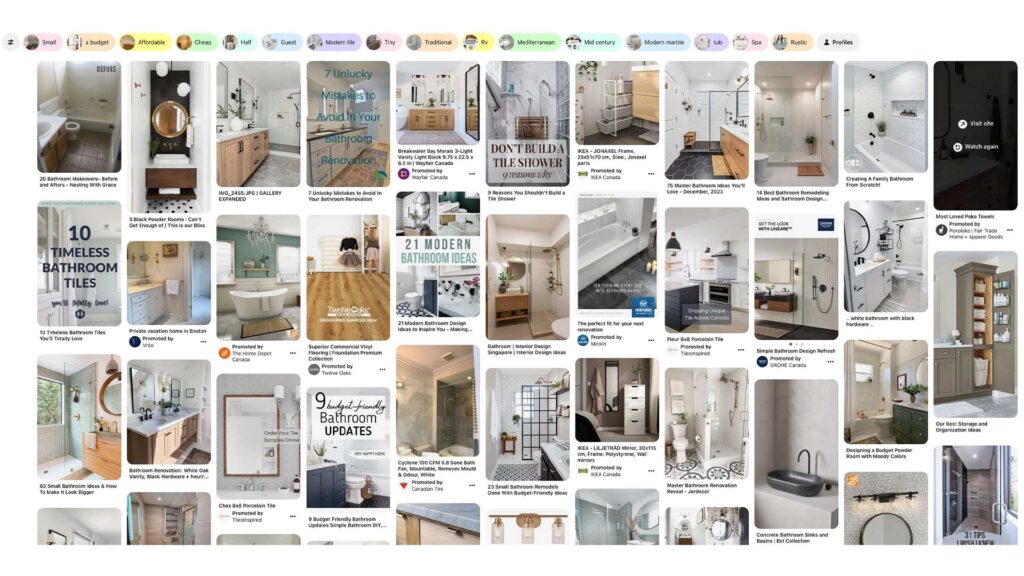
bathroom renovation idea sources

It can be tempting to follow the latest design trends. Remember, timeless design solutions prioritize functionality over latest time fleeting trends. One thing you can be sure about is that trends can quickly become outdated, but functionality never goes out of style.

Mistake #10: Overestimating DIY Skills

diy house jobs 1

DIY-minded homeowners can achieve significant savings on some aspects of the bathroom renovation project, but overestimating your abilities can lead to disastrous results. It’s important to know when to call in the experts. We recommend involving professional help early in the process: somewhere around planning and budgeting. You almost certainly need to get expert help when it comes to electrical and plumbing work. Drywalling, painting, tiling, and woodwork can be done without professional help.

By avoiding these common bathroom renovation mistakes, you can ensure a smoother process and a finished bathroom that meets your needs, aesthetics, and budget. Remember, successful renovations start with careful planning and realistic expectations.

Heated Floors in Your Bathroom: Pros And Cons

Everyone who has heated floors in their bathroom will tell you: they are great. The feeling of waking up on a cold winter morning and stepping onto a warm cozy bathroom floor is like no other. That feeling, however, comes at a cost. Before you dive into the world of radiant floor heating, it’s important to understand the comfort, costs, and potential issues involved, specifically for us living in the Ottawa area.

Let’s start with the two main options – electric and hydronic floor heating systems.

 Electric floor heating  Hydronic floor heating
InstallationCables are laid out on the subfloor in a specific pattern. Thermostats control the temperature.A network of PEX tubing is installed beneath the floor, connected to a boiler or other heat source.
DIY Friendly?YesNo
Heat SourceElectricity heats the cables.A boiler heats water that circulates through the PEX tubing.
ProsSimpler installation: Generally easier and less disruptive, especially for renovations. Faster heating, can be zoned for specific areasLower operating costs, more energy-efficient, consistent, and comfortable warmth throughout the floor
ConsRunning costs (higher electric bill), potential health effects of electromagnetic fields from electric cables.More complex and disruptive installation, more expensive, slower heating, requires maintenance to check for leaks.
Best use case scenarioGood for remodeling of existing properties with minimal structural changes.Good for new builds or during major bathroom renovations.

Benefits of Heated Floors

  • Consistent warmth: No more uneven heat distribution – radiant floors warm the entire room from the ground up.
  • Comfort: Wave goodbye to icy feet! Radiant heat warms you from the bottom up for superior comfort.
  • Allergy relief: Unlike forced-air systems that circulate dust and allergens, radiant floors offer a cleaner breathing environment.
  • Energy Efficiency: Modern heated floors are designed to be energy-efficient. They use less energy compared to traditional heating systems, as they directly heat the floor surface, which then radiates warmth throughout the room. This can lead to lower heating bills, especially during the colder months. Residents of Quebec may benefit from electrical floor heating system because of the lower hydro rates.
  • Increased Home Value: Heated floors are a desirable feature in real estate markets. They can significantly increase the value of your home, making it more attractive to potential buyers who value comfort and luxury in a bathroom.

Potential Problems and Considerations

  • Cost. Depending on a chosen solution, a heated floor can add upwards of $40/feet of extra expenses to your bathroom renovation project. You should also consider possible structural changes and upgrades to your electrical panel to accommodate the installation.
  • Complexity. While portions of a heated floor installation don’t necessarily require a licensed electrician, the Ontario Electrical Safety Code (OESC) strongly recommends and has rules dictating that certain aspects must be done by an electrician. For example, branch circuit wiring (connection of the heated floor system to your home’s electrical panel) MUST be performed by a Licensed Electrical Contractor.
    Hydronic systems are complex and may require tearing out existing floors. Depending on the existing bathroom layout and flooring, installation might require significant alterations. This could include raising the floor level to accommodate the heating elements, which might necessitate adjustments to doors, fixtures, and thresholds.
  • Maintenance. Both hydronic and electric floor heating systems are prone to degrade over time and require regular maintenance and checks for potential leaks (for hydronics).

Recommended Practice: Even if you are savvy with home improvement projects, it’s strongly recommended to have a licensed electrician handle the entire heated floor installation process to ensure it meets all OESC requirements. Electrical Safety Authority (ESA): They are the regulatory body in Ontario. Check their website for further details and a list of licensed contractors: https://esasafe.com/

Modern Brands and Easy Installation Solutions

While the installation of heated floors can be complex and costly, modern solutions and brands have made the process more manageable. For instance, the Schluter®-DITRA-HEAT system is designed to simplify the installation of electric floor heating. This system combines the heating cables with an uncoupling mat, which serves dual functions: it protects the floor from cracking and serves as a carrier for the heating cables.

The Schluter floor heating kit is particularly user-friendly, offering an integrated solution that reduces installation time and complexity. The system’s design allows for flexible cable placement, ensuring even heat distribution across the bathroom floor. This can be a significant advantage for DIY enthusiasts or professionals looking to streamline the installation process.

Bathroom Renovation vs. Bathroom Remodel: Understanding the Key Differences

Many homeowners use phrases like ‘bathroom renovation’ and ‘bathroom remodeling’ interchangeably, without giving it much thought. While both phrases describe similar concept that has to do with making changes to your bathroom, the two differ significantly when comes to scope, budget and timing.

What is Bathroom Renovation?

Bathroom renovation involves updating the existing space without making significant change to its layout or structure. It’s more like freshening up your look with a new haircut, not changing your entire wardrobe. It’s all about working with what you’ve got. Slap on some fresh paint, switch out the old tap for a snazzy new one, or lay down some chic tiles. You keep the bones of your bathroom the same, but it’ll feel brand spanking new. Renovations focus on enhancing the look and feel of the bathroom while maintaining its original design and functionality

What is Bathroom Remodel?

Bathroom remodelling, however, involves changing the room’s layout, structure, or function It is like going from a caterpillar to a butterfly. You’re not just changing fixtures; you’re tearing down walls, playing musical chairs with your plumbing, or maybe even stealing some space from the room next door to give you room to breathe while you’re soaking in the tub. This isn’t just a new look; it’s a whole new bathroom.

Scope and Scale: The Core of Bathroom Renovation vs. Bathroom Remodel
Bathroom renovation is the budget-friendly route. Think of it as splurging on a nice dinner out—it’s a treat, but you won’t need to take out a second mortgage. On the flip side, bathroom remodel is the fancy vacation of home improvements. It’s going to cost you more bread, but the result might just be worth it.

How Long Are We Talking?

If you’re just putting a new face on things, it could be a quick few weeks. But if you’re reimagining the whole space, clear your calendar—you might be in it for the long haul, sometimes a few months, to get every detail just right.

Will It Pay Off?

If you’re thinking about selling your pad, a fresh coat of paint and shiny new fittings could make your place more enticing without breaking the bank. But if you’re going all out with a remodel, you could be adding some serious value to your home, making it the jewel of the block.

The Bottom Line

So, what’s it gonna be? A quick update or the full monty? Bathroom renovation or bathroom remodel? Consider your cash, your clock, and how it’s all going to pay off in the end. Think about your daily routines and how much disruption you can handle. Weighing up these bits and bobs will help you decide whether to keep it simple or go all out.

5 Ways To Make Your Bathroom Energy-Efficient

In today’s eco-conscious world, making your bathroom more energy-efficient is not just a way to save on your utility bills, but also a step towards a sustainable future. This comprehensive guide will walk you through practical and innovative strategies to enhance your bathroom’s energy efficiency, ensuring both environmental benefits and cost savings.

  1. Innovative Water-Saving Techniques

Low-Flow Fixtures: Embracing low-flow toilets, showerheads, and faucets can significantly reduce water usage without compromising performance. Modern low-flow fixtures are designed to provide the same water pressure while using less water, making them an ideal choice for energy-conscious households.

Dual-Flush Toilets: Incorporating dual-flush toilets in your bathroom design allows you to choose between a lower-flush option for liquid waste and a higher-flush option for solid waste, optimizing water usage and contributing to considerable water conservation.

Water-Saving Taps and Showerheads: Installing aerators on taps and opting for water-saving showerheads can cut down your water consumption by up to 50%. These devices work by mixing air with water, delivering a high-pressure flow while using less water.

2. Energy-Efficient Lighting Solutions

LED Lighting: Switching to LED bulbs in your bathroom can dramatically reduce energy consumption. LED lights are not only more energy-efficient than traditional bulbs but also have a longer lifespan, reducing the need for frequent replacements.

Natural Lighting: Maximizing natural light can significantly decrease the reliance on artificial lighting during the day. Consider installing larger windows or skylights to brighten your bathroom with sunlight, thereby saving energy and enhancing the ambiance.

3. Heating and Ventilation Efficiency

Radiant Floor Heating: Radiant floor heating systems offer a more efficient way to heat your bathroom compared to conventional heating methods. By directly warming the floors, these systems provide uniform heat distribution, reducing energy consumption and enhancing comfort.

Efficient Ventilation: An energy-efficient ventilation system is crucial in preventing mold growth and maintaining air quality without excessive energy use. Opt for an Energy Star-rated bathroom exhaust fan that effectively removes humidity and odors while conserving energy.

4. Sustainable Materials and Practices

Eco-Friendly Materials: Choosing sustainable materials for your bathroom renovation can have a significant impact on energy efficiency. Materials like recycled glass tiles, bamboo flooring, and countertops made from renewable resources not only contribute to a greener planet but also add a unique aesthetic to your bathroom.

Water Heater Upgrades: Upgrading to an energy-efficient water heater, such as a tankless or solar water heater, can lead to substantial energy savings. These heaters provide hot water on demand, eliminating the need to constantly heat and reheat water, thereby reducing energy consumption.

5. Smart Bathroom Technologies

Smart Showers: Smart showers allow you to precisely control water temperature and flow, ensuring that you use only the amount of water and energy needed. Some models even come with eco-friendly settings, further optimizing water and energy use.

Automated Faucets: Incorporating automated faucets with motion sensors can significantly reduce water wastage by ensuring that water runs only when needed. These faucets are especially beneficial in preventing unnecessary water use, making them a smart addition to any energy-efficient bathroom.

Transforming your bathroom into an energy-efficient space requires a multifaceted approach, incorporating water-saving techniques, energy-efficient lighting, sustainable materials, and smart technologies. By implementing these strategies, you can significantly reduce your environmental footprint, contribute to a sustainable future, and enjoy cost savings on your utility bills.

Embrace these changes today to make your bathroom a beacon of energy efficiency and sustainability.

Get in Touch

    Attach photos for insta quote(if any)

    File formats accepted: jpg, png, pdf

    Maximum total file size: 25 MB

    The Ultimate Guide to Planning Your Bathroom Renovation

    Renovating your bathroom is not just about upgrading it aesthetically; it’s about enhancing your home’s value and functionality. This guide will walk you through the importance of meticulous planning and the benefits you can reap from a well-executed renovation. Whether you’re looking to modernize your space or make it more energy-efficient, understanding the scope and potential impact of your renovation is crucial.

    Understanding Your Renovation Goals

    Before diving into colors and materials, it’s essential to define what you hope to achieve with your bathroom renovation. Are you aiming for more storage, or is a luxurious spa-like retreat more your style? Prioritizing your features will help guide your decisions and ensure the end result aligns with your vision.

    Budget Planning for Your Bathroom Renovation

    A successful renovation begins with a well-planned budget. We’ll explore how to estimate your costs effectively and share some savvy tips for saving on your renovation. Understanding where to invest and where to compromise can make all the difference in your project’s outcome.

    Design Inspirations and Trends

    Dive into the latest design trends and find inspiration for your bathroom makeover. Whether you’re drawn to the clean lines of modern design or the warmth of traditional styles, we’ll help you navigate through your options to find a look that suits your taste and lifestyle.

    Selecting the Right Contractor

    Your choice of contractor can make or break your renovation project. We’ll cover the essential qualifications to look for and provide tips for interviewing potential candidates. Finding a contractor you can trust is key to a smooth and successful renovation.

    Legal Considerations and Permits

    Tackling the legal aspects of your renovation upfront can save you from headaches down the line. From securing the necessary permits to understanding local regulations, we’ll guide you through the paperwork required to get your project off the ground. For more information about building permits in Ottawa check the city of Ottawa website.

    Material Selection for Durability and Aesthetics

    Choosing the right materials is crucial for both the look and longevity of your bathroom. We’ll compare the pros and cons of different flooring options, countertops, and cabinets to help you make informed decisions that meet your needs and budget.

    Smart Bathroom Technologies

    Incorporating smart technology into your bathroom can enhance comfort and convenience. From heated floors to water-saving fixtures, we’ll introduce you to the latest innovations that can make your bathroom more efficient and enjoyable.

    Timeline and Project Management

    Setting a realistic timeline and effectively managing your project are vital to its success. We’ll discuss how to create a feasible schedule and manage unexpected delays, ensuring your renovation stays on track.

    The Ultimate Guide to Planning Your Bathroom Renovation

    Embarking on a bathroom renovation can be daunting, but with our step-by-step guide, you’ll be equipped to handle every aspect of your project. From initial planning to the final touches, we’ll ensure you’re prepared to tackle your renovation with confidence.

    Frequently Asked Questions

    • What’s the best way to budget for a bathroom renovation?
    • How do I choose the right contractor? (Read our blog post)
    • Are permits necessary for bathroom renovation?
    • How can I make my bathroom more energy-efficient?

    Have a bathroom renovation project? Let’s talk!

      Attach photos for insta quote(if any)

      File formats accepted: jpg, png, pdf

      Maximum total file size: 25 MB

      Embracing 2024: The Future of Ottawa Bathroom Renovation Trends

      In 2024, Ottawa homeowners are redefining their bathroom spaces with innovative trends that blend aesthetics, functionality, and sustainability. This year, the focus is on bathrooms renovation projects that do not just create rooms of necessity but personal sanctuaries that reflect individual style and preferences.

      Transforming Powder Rooms into Luxurious Spaces

      The powder room, once a small, overlooked space, is now becoming a focal point in Ottawa homes. In 2024, homeowners are opting for bold, artistic designs to make a statement. Wallpaper with large, vibrant prints and textures is increasingly popular, turning these small spaces into artistic expressions. Minimalist sinks with smart faucets that save water and add convenience are also in trend, showcasing how functionality and design can coexist beautifully.

      The Rise of Tub to Shower Conversions

      The tub to shower conversion trend continues to dominate in 2024, driven by a desire for more spacious, spa-like shower experiences. Walk-in showers with frameless glass doors are preferred for their sleek, modern look and ease of accessibility. Features like rainfall showerheads, built-in seating, and steam systems are becoming standard, offering a luxurious shower experience that rivals any high-end spa.

      Sustainable Material Choices: The New Norm

      In 2024, the choice of materials in bathroom renovations is heavily influenced by environmental concerns and sustainability. Recycled glass tiles, bamboo flooring, and reclaimed wood vanities are becoming increasingly popular, as they offer both beauty and a reduced environmental footprint. These materials not only add unique character to the bathroom but also align with the growing eco-conscious mindset of Ottawa homeowners.

      Price Influences in Material Selection

      Economic factors in 2024 continue to play a crucial role in material selection for bathroom renovations. With a bigger part of Ottawa population employed by the federal government one might think its citizens are insulated from the growing cost of living. Nothing can be further from the truth. With the increasing costs of raw materials, there is a noticeable shift towards cost-effective yet high-quality alternatives. Composite materials that mimic more expensive options like natural stone or hardwood are seeing a rise in popularity. They offer the aesthetic appeal of high-end materials without the hefty price tag, making luxury accessible to more homeowners.

      Have a bathroom renovation project in mind? Let us know!

        Attach photos for insta quote(if any)

        File formats accepted: jpg, png, pdf

        Maximum total file size: 25 MB

        Price Influences in Material Selection

        Economic factors in 2024 continue to play a crucial role in material selection for bathroom renovations. With a bigger part of Ottawa population employed by the federal government one might think its citizens are insulated from the growing cost of living. Nothing can be further from the truth. With the increasing costs of raw materials, there is a noticeable shift towards cost-effective yet high-quality alternatives. Composite materials that mimic more expensive options like natural stone or hardwood are seeing a rise in popularity. They offer the aesthetic appeal of high-end materials without the hefty price tag, making luxury accessible to more homeowners.

        A Harmonious Blend of Style and Sustainability

        The bathroom renovation trends of 2024 in Canada reflect a harmonious blend of style, functionality, and environmental responsibility. From luxurious powder rooms to eco-friendly materials, these trends demonstrate a deep understanding of modern living needs. As we move forward, it’s clear that the Canadian approach to bathroom design will continue to evolve, prioritizing both personal expression and sustainability.

        I am Grout! What you need to know about Bathroom Tile Grout

        The world of bathroom renovations often focuses on tiles, but the unsung hero – grout – plays a crucial role. Grout does more than just fill the gaps; it defines the look, feel, and longevity of your tiled surfaces.

        Types of Grout

        • Sanded Grout: Ideal for larger gaps, sanded grout offers strength and durability.
        • Unsanded Grout: Best for smaller tile gaps, providing a smoother finish.
        • Epoxy Grout: The superhero of grouts, known for its resilience and moisture resistance.

        Color Choices in Grout

        types of bathroom grout
        Grout is available in multiple color variations. It’s important to plan your bathroom renovation project in advance to ensure that colors compliment each other.
        • Neutral Tones: Classic whites, greys, and beiges blend seamlessly with various tile designs.
        • Bold and Bright Colors: For a statement look, opt for vibrant grout colors to contrast or complement your tiles.

        Texture Variations

        • Smooth Texture: Achieved with unsanded grout, it’s perfect for a sleek look.
        • Coarse Texture: Sanded grout offers a rustic feel, adding depth to your tile work.

        Use Cases for Different Grout Types Each grout type has its ideal application. Floor tiles and larger wall tiles benefit from the strength of sanded grout, while delicate tiles like glass work well with unsanded grout. Epoxy grout is the go-to for high-moisture areas.

        Best Practices in Grout Application

        • Color Matching: The grout color should complement your tiles.
        • Proper Sealing: Essential for protecting against moisture and stains.

        Common Mistakes to Avoid

        • Choosing the Wrong Grout Type: This can weaken your tile installation.
        • Improper Grout Mixing: Leads to color inconsistencies and weak grout.
        • Neglecting Grout Maintenance: Regular cleaning prevents mold growth.

        Advanced Tips for Grout Selection Selecting the right grout involves understanding the aesthetics and functionality. Consider the tile size, location, and the look you want to achieve.

        The Role of Grout in Bathroom Aesthetics Grout can dramatically alter the appearance of your bathroom. It can either make tiles pop or blend them seamlessly into the background.

        Maintenance and Care for Grout Regular maintenance, including gentle cleaning and periodic sealing, can extend the life of your grout.

        DIY vs Professional Grout Application While DIY is tempting, professional application ensures longevity and a quality finish.

        Innovations in Grout Technology Recent advances in grout technology offer better color retention, moisture resistance, and ease of application.

        Environmental Considerations in Grout Selection Eco-friendly grouts are available, minimizing environmental impact without compromising on quality.

        Budgeting for Grout in Bathroom Renovation Grout may seem like a small part of your renovation budget, but choosing the right type can save you money in the long run.

        Grout is a key element in bathroom design, and understanding its types, colors, and textures is crucial for any renovation project.

        Inspiration Sources for Your Next Bathroom Renovation

        Renovating a bathroom is a journey that combines creativity with practicality. Finding the right inspiration is crucial to create a space that reflects your style and meets your needs. In this article, we’ll explore various sources where you can gather ideas for your bathroom renovation.

        Websites for Bathroom Renovation Ideas Pinterest and Houzz are two popular websites offering a plethora of bathroom design ideas. Pinterest is great for creating boards of your favorite styles, while Houzz offers practical advice and product recommendations.

        Magazines Specializing in Home Decor Magazines like Better Homes & Gardens and Elle Decor provide timeless inspiration with their sophisticated designs and cutting-edge trends.

        Influential YouTube Channels YouTube channels such as Mr. Kate and Home Designing offer visual and practical guides for bathroom renovations, providing tips and tricks for both DIY enthusiasts and those preferring professional help.

        Instagram Accounts to Follow Instagram accounts like @the_real_houses_of_ig and @design_interior_homes showcase a variety of bathroom designs, from luxurious to minimalist, inspiring your renovation project.

        Trade Shows Worth Visiting Visiting trade shows like The International Surface Event and the Kitchen & Bath Industry Show can provide a firsthand look at the latest trends and materials in bathroom design.

        Influencers in Home Design Influencers like Joanna Gaines and Emily Henderson offer a personal touch with their unique design ideas and practical advice for home renovations.

        How to Utilize These Resources Creating a vision board using ideas from these sources can help you visualize your dream bathroom. Consulting with professionals can also translate these inspirations into reality. At Miracle Dream Homes we have experiences on consulting hundreds of clients on their bathroom design options. Being a local Ottawa bathroom renovation contractor, we know what materials can be sourced locally which allows you to save both time and money on your bathroom renovation project.

        Budgeting and Planning Before diving into your project, consider the budget and plan accordingly to ensure a smooth renovation process.

        Embarking on a bathroom renovation can be an exciting journey. By exploring these sources of inspiration, you can create a space that is not only functional but also a true reflection of your personal style.

        Avoiding Disappointment: The Top 10 Missteps in Small Bathroom Renovations

        Discover the ‘Top 10 Common Small Bathroom Renovation Mistakes’ and how to avoid them in our comprehensive guide. Make your next compact bathroom makeover project a success!

        As homeowners embrace the challenge of updating small bathrooms, many find themselves navigating a minefield of potential missteps. With space at a premium and decisions aplenty, it’s all too easy to fall prey to common renovation errors that can turn a dream bathroom into a logistical nightmare. This detailed exploration will steer you clear of the pitfalls and guide you towards a beautifully efficient small bathroom space.

        Small Bathroom Renovation Pitfalls.

        The Consequences of Rushing the Design

        Embarking on a bathroom renovation without a clear plan is akin to setting sail without a compass. It may seem tempting to dive right in, but without careful forethought, you could end up with a bathroom that’s more cramped than chic. Planning is essential to make the most of every square inch.

        Setting a Realistic Renovation Timeline

        Time is a resource just as important as your budget. An unrealistic timeline can lead to rushed decisions and sloppy work. Allocate sufficient time to each stage of the renovation, from the initial design to the finishing touches, ensuring that quality isn’t compromised in the process.

        1. Budget Missteps.

        Hidden Costs of Renovation

        Unexpected expenses lurk in every corner of a renovation project. Whether it’s water damage behind walls or outdated plumbing needing an upgrade, preparing for hidden costs will safeguard your budget and keep the project on track.

        Cutting Corners: A Costly Mistake

        Opting for the cheapest solutions might be tempting, especially with a tight budget. However, cutting corners can result in higher costs down the line. It’s vital to invest where it counts, such as waterproofing and high-use fixtures, to prevent future issues.

        2. Space Mismanagement

        bathroom space management
        Bathroom Space Management

        Overestimating the Available Space

        One of the cardinal sins in small bathroom renovations is misjudging the amount of usable space. Overcrowding a small area with too many features or too large fixtures can make it feel claustrophobic and impractical.

        Functional Design for Limited Spaces

        Functionality should be at the forefront of your design. Choose multi-functional fixtures and clever layouts to maximize your space without sacrificing style or comfort.

        3. Poor Ventilation Choices

        The Importance of Adequate Airflow

        Ventilation is crucial in preventing mold and mildew, especially in small, moisture-prone bathrooms. Underestimating the need for an efficient exhaust system can lead to air quality and moisture issues that could haunt you for years.

        Choosing the Right Ventilation Systems

        Selecting the correct type of ventilation for your bathroom’s size and layout is essential. A well-placed fan or a ventilated skylight can work wonders in maintaining a fresh and dry environment.

        4. Inadequate Lighting Solutions

        Bright Ideas for Small Bathrooms

        Proper lighting can transform a cramped bathroom into a seemingly spacious oasis. Combining task, ambient, and accent lighting can create depth and the illusion of space while ensuring functionality.

        Layering Lights for Function and Mood

        Layered lighting not only serves a practical purpose but also sets the mood. Dimmers and carefully positioned lights can help your small bathroom serve as a functional space and a personal retreat.

        bahtroom lights
        Bathroom Lights

        5. Overlooking Storage

        Smart Storage Solutions

        Neglecting storage solutions is a frequent oversight in bathroom renovations. Incorporating built-in niches, corner shelves, and vanity storage can help keep your bathroom organized and clutter-free.

        Innovative Storage Ideas for Small Bathrooms

        With a bit of creativity, storage can be both functional and stylish. Think vertical with wall-mounted units and use the area above the toilet for additional shelving without impinging on valuable floor space.

        6. Misjudging Scale and Proportions

        Size Matters: Fixtures and Features

        The scale is everything in a small bathroom. Large fixtures can overwhelm the space, while the right-sized elements can provide comfort without crowding. It’s all about finding the right balance.

        Keeping Proportions in Harmony

        Maintaining harmony between various elements ensures a cohesive look. For example, a small pedestal sink can complement a compact shower space, making the room appear larger and more inviting.

        7. Skimping on Quality Materials

        The Long-term Cost of Cheap Materials

        While it might be tempting to go for lower-quality materials for a quick fix, they often lead to increased wear and tear. Investing in quality materials pays off in the longevity and durability of your bathroom.

        Investing in Durability and Aesthetics

        High-quality materials not only last longer but also offer better aesthetics. They can withstand the high humidity and frequent use typical of bathrooms, ensuring that your space remains beautiful and functional for years to come.

        8. Forgoing Professional Help

        When to Call in the Experts

        There’s no shame in calling for backup. Professional contractors and designers can offer invaluable advice and prevent costly mistakes. Their expertise can be especially crucial in technical aspects such as plumbing and electrical work.

        The Value of Professional Advice

        Professionals bring a level of expertise that can help you navigate the complexities of renovation. Their insights can be the difference between an average remodel and your dream bathroom.

        9. Inappropriate Style Choices

        Style Consistency with Your Home

        Your bathroom should be a reflection of your home’s overall style. A renovation that respects the home’s architecture and design ethos will feel seamless and considered.

        Timeless Versus Trendy Designs

        While it’s great to infuse modern touches, remember that bathroom renovations are long-term investments. Opt for classic designs that you will appreciate for years, rather than merely following the latest fads.

        Introduction to Common Renovation Blunders

        Renovating a small bathroom presents unique challenges that can easily lead to common mistakes. From insufficient planning to the wrong choice of materials, these blunders can affect both the aesthetics and functionality of your bathroom.

        Not Planning for the Future

        Adapting Your Bathroom to Aging Needs

        Renovations should take into account not just your current needs but also future requirements. Consider features like grab bars or walk-in showers that can accommodate aging in place.

        Future-proof Bathroom Designs

        Future-proofing your bathroom ensures that it remains functional and accessible as your needs evolve. This means choosing designs that can adapt to changing circumstances without requiring complete overhauls.

        Wrapping Up: Avoiding Bathroom Blunders

        A well-executed small bathroom renovation can significantly enhance your home’s comfort and value. By avoiding these common mistakes, you can create a space that is both beautiful and functional, proving that good things really do come in small packages.

        The Ultimate Guide to Choosing the Perfect Bathroom Renovation Contractor

        When it comes to making over your bathroom, it’s not just about choosing the right tiles, the perfect tub, or that dreamy shade of teal you’ve had your eye on. Arguably, the most crucial decision is picking a trustworthy bathroom renovation contractor. But how do you sift through the countless options out there? Well, pour yourself a cup of coffee (or wine, we don’t judge!), because we’re about to dive into the must-know tips to help you choose the perfect contractor for your bathroom renovation.

        Experience Matters

        The old saying “experience is the best teacher” rings especially true when it comes to contractors. Would you rather trust your bathroom’s transformation to a rookie or someone who’s done it a hundred times before?

        Tip: Ask potential contractors about their experience, especially with projects similar to yours. Those “before and after” photos? Yes, you’ll want to see them!

        Licenses and Insurance

        It’s not all about aesthetics. Safety and legalities matter too. Any reputable contractor should be licensed and insured, ensuring you’re not liable for any on-the-job mishaps.

        Tip: Don’t just take their word for it. Ask to see copies of their licenses and insurance certificates.

        Client Reviews and References

        Ever bought something online without reading the reviews? Yeah, me neither. The same rules apply here.

        Tip: Check out online reviews, ask the contractor for client references, and don’t be shy about calling them. Real feedback from real people is invaluable.

        Clear Communication

        From timelines to budgets to the tiny details like grout color, clear communication is key. You need a contractor who listens to your needs and communicates proactively.

        Tip: Notice how prompt and clear a contractor is in their initial communications. It often sets the tone for the entire project.

        Warranty or Guarantee

        A confident contractor stands by their work. Make sure they offer a warranty or guarantee on their services, ensuring peace of mind long after the project is completed.

        Tip: Understand the specifics. What does their warranty cover? For how long? The more detailed, the better.

        Detailed Quotes

        No one likes surprise costs. A reliable contractor will give you a detailed quote, so you understand where every penny is going.

        Tip: If a quote seems vague or too good to be true, ask for more detail. Clarity now can save headaches later.

        Flexibility and Problem-Solving

        Renovations often come with unexpected challenges. The ability of a contractor to adapt and find solutions, rather than presenting problems, is essential.

        Tip: Ask potential contractors about challenges they’ve faced in past projects and how they handled them. Their answers can be very revealing.

        Compatibility

        Beyond skills and experience, you’ll be spending a lot of time communicating with your contractor. It’s crucial that you vibe well together.

        Tip: Trust your gut. If something feels off during your initial meetings, it might be best to keep looking.

        Renovating your bathroom should be an exciting journey, not a stressful chore. By keeping these tips in mind, you’ll be well-equipped to find a bathroom renovation contractor who can turn your vision into a reality, all while ensuring a smooth and pleasant process from start to finish.

        FAQs

        How long does a typical bathroom renovation take?

        Depending on the scope, most bathroom renovations can take 2-4 weeks.

        How much should I budget for a bathroom makeover?

        It varies widely based on materials and labor costs but always set aside an additional 10-20% for unexpected expenses that may arise after the demolition is done.

        Do I need to be home during the renovation?

        Not necessarily, but it’s often beneficial to be easily reachable for quick decisions and clarifications.

        Can I provide my materials for the renovation?

        Some contractors are flexible with this, but always discuss it upfront.

        How often should I communicate with my contractor?

        A reliable contractor will always keep you updated and consult you on crucial decisions. It’s best to have regular check-ins to ensure everything is on track and address any concerns right away.

        Transform Your Laundry Room: Innovative Renovation Ideas

        Laundry rooms are often the unsung heroes of the home, tucked away and forgotten until it’s time to tackle the weekly mountain of washing. However, with thoughtful design and clever renovations, your laundry room can be transformed into a functional and stylish space that makes the mundane task of laundry a bit more enjoyable.

        Planning Your Renovation

        Assessing Space and Needs

        Before you dive into choosing paint colors and fixtures, take a step back and assess your space and needs. Do you need more storage? Are you after a laundry room that can double as a mudroom? Knowing what you need will guide your entire renovation project.

        Budgeting Wisely

        It’s easy to get carried away when renovating. Setting a realistic budget and sticking to it will ensure your laundry room makeover doesn’t break the bank. Remember to set aside a contingency fund for unexpected expenses.

        Design Inspirations

        Seek out design inspiration from home decor magazines, Pinterest, and home renovation shows. This can help you define your aesthetic and decide on a cohesive look for your laundry room.

        Functional Layouts for Efficiency

        Appliance Placement The layout of your laundry room should be functional above all else. The placement of your appliances should allow for easy access and movement within the space.

        Storage Solutions Incorporate storage solutions such as cabinetry, open shelving, and built-in closets to keep your laundry essentials organized and within reach.

        Workflow Considerations A well-planned workflow can significantly improve the efficiency of your laundry routine. Consider the placement of the washer and dryer, folding areas, and the ironing station.

        Style and Aesthetics

        Color Schemes

        The right color scheme can brighten up your laundry room and make it a more inviting space. Opt for light, airy colors to give the illusion of more space, or bold hues to add character.

        Lighting Choices

        Good lighting is crucial in a laundry room for tackling stains and making the space feel larger. Combine ambient lighting with task lighting for the best results.

        Material Selections

        Choose durable and easy-to-clean materials for your countertops, flooring, and backsplashes that can withstand moisture and heat.

        Innovative Features to Include

        Smart Laundry Appliances

        Invest in smart laundry appliances that offer convenience and efficiency, with features such as remote start and cycle customization.

        Built-In Ironing Boards Save space with a built-in ironing board that can be tucked away when not in use.

        Drying Racks and Hanging Solutions Include retractable drying racks or hanging solutions for air-drying delicate items.

        DIY Tips for Homeowners

        Painting Your Laundry Room

        A fresh coat of paint can work wonders. Choose a semi-gloss finish for easy cleaning and durability.

        Shelving Installations

        Adding shelving can be a simple weekend project that greatly increases storage space. Adjustable shelving offers flexibility as your storage needs change.

        Decorative Touches

        Don’t forget the power of decorative touches. Wall art, rugs, and decorative containers can add personality to your space.

        Hiring Professionals

        When to Call in the Experts

        Some renovations are best left to the professionals, especially when it comes to hiring a professional plumber and electrical work.

        Selecting a Contractor Take your time in choosing a contractor. Look for someone with experience in laundry room renovations and check their references and past work.

        Sustainability in Renovations

        Energy-Efficient Appliances

        Choosing energy-efficient appliances not only reduces your carbon footprint but can also save you money on utility bills.

        Eco-Friendly Materials Consider eco-friendly materials like bamboo flooring or recycled glass countertops for a sustainable renovation.

        The Renovation Process

        Step-by-Step Guide Plan your renovation process step by step, from demolition to the final touches, to avoid getting overwhelmed.

        Managing Renovation Timelines Set realistic timelines for your renovation project, and anticipate delays to manage stress and ensure a smooth process.

        Common Challenges and Solutions

        Every renovation project comes with its own set of challenges. From unexpected plumbing issues to back-ordered materials, be prepared to troubleshoot along the way.

        Final Touches that Make a Difference

        It’s the little details that can really make your laundry room shine. Think unique cabinet knobs, a stylish laundry sink, or a custom drying rack.

        Maintenance Tips

        Post-Renovation Keep your newly renovated space in top shape with regular maintenance. This includes cleaning lint traps, wiping down surfaces, and checking seals and hoses.

        Enjoying Your New Space

        A laundry room renovation can significantly impact your daily life, providing a more pleasant and functional area for carrying out a necessary chore. With the right planning, design, and execution, your laundry room can become a space you actually look forward to using.