
The Tile Decision Is One of the Most Important Calls You Will Make
When you plan a bathroom renovation in Ottawa, tile is one of the first decisions your designer will ask you to make — and one of the hardest to reverse. Get it right and your bathroom looks polished for decades. Get it wrong and no amount of good fixtures or lighting saves it.
This guide covers the practical side: what materials to consider, what sizes work in different bathrooms, how finish affects your day-to-day experience, and what Ottawa homeowners commonly get wrong. No fluff. Just the information you need to make a confident choice.
Start With Where the Tile Is Going
Not all tile is the same, and not all locations in your bathroom have the same requirements. Before you fall in love with a specific tile at a showroom, ask yourself where it is going.
Floor Tile
Floor tile needs to be slip-resistant. The rating system to know is the DCOF (Dynamic Coefficient of Friction) standard. Any floor tile in a wet area should have a DCOF of 0.42 or higher. Polished marble and highly glazed porcelain often fall below this threshold — they look stunning on a wall but are risky on a wet floor.
For floors, look at:
- Matte or textured porcelain tiles
- Natural stone with a honed finish
- Smaller mosaic tiles — the additional grout lines create more texture and traction
Wall Tile
Walls have fewer restrictions. You have more freedom with finish and material here. High-gloss subway tile, large-format porcelain slabs, decorative ceramic, and natural stone all perform well on walls. The main consideration is weight — very large, heavy tiles need proper backer board and adhesive to stay in place long-term.
Shower Tile
In a shower, every surface gets wet every day. You want tile with low water absorption — porcelain is the top choice because it is dense and nearly impermeable. Avoid unsealed natural stone in a shower unless you are committed to annual sealing. Grout lines in a shower also matter: tighter grout joints mean less maintenance surface.
Tile Materials: What They Are and What They Cost
Ceramic
Ceramic is the most affordable option and works well for walls and low-traffic floors. It is made from clay and fired at lower temperatures than porcelain, which makes it slightly more porous. In Ottawa bathrooms, ceramic is a solid choice for a guest bathroom or powder room where the tile sees moderate use.
Typical installed cost: $8–$15 per square foot.
Porcelain
Porcelain is denser and more durable than ceramic. It handles Ottawa’s temperature swings well, which matters if you have a bathroom near an exterior wall or in a basement. Large-format porcelain — tiles 24 x 24 inches or larger — has become the dominant choice in Ottawa renovations over the past five years. It reads as clean and modern, and the reduced number of grout lines makes cleaning easier.
Typical installed cost: $12–$25 per square foot, depending on tile size and complexity of the layout.
Natural Stone
Marble, travertine, slate, and limestone all bring a look you cannot replicate with manufactured tile. But natural stone requires sealing at installation and periodically thereafter. It is also more variable in colour and veining — the tile you order from a sample looks slightly different from the full order. If you want natural stone in your Ottawa renovation, work with a contractor who has experience setting it. Improper installation leads to staining and cracking that is expensive to fix.
Typical installed cost: $20–$45 per square foot.
Glass Tile
Glass tile works well as an accent or backsplash. It is not practical for floors and is challenging to install — it requires a white adhesive and careful grouting. If you want a feature wall in your shower or a decorative band, glass tile is a strong visual choice. Use it in small doses.
Tile Size: Bigger Is Not Always Better
The trend toward large-format tile is real, and it works well in many Ottawa bathrooms. But size needs to match your space.
In a small bathroom — say, 40 to 60 square feet — a 24 x 24 inch floor tile will feel oversized and make the room feel smaller. A 12 x 24 inch tile or a 12 x 12 inch tile often reads better in tighter spaces. In a larger primary ensuite, 24 x 24 or even 32 x 32 inch tiles create a seamless, high-end look with fewer grout lines to maintain.
On walls, longer rectangular tiles — 4 x 12 or 3 x 12 subway formats — are a proven, versatile choice. They work in traditional and contemporary designs. If you want something more current, consider a 4 x 16 or 2 x 8 format laid in a stacked or offset pattern.
Finish Affects More Than Aesthetics
The finish of your tile determines how it looks, how it feels underfoot, and how much maintenance it requires. The main finishes you will encounter:
- Matte: Low sheen, hides water spots and fingerprints well, safer on floors. Easier to clean in the long run but shows smudges less visibly.
- Polished / Glossy: High reflectivity, makes spaces feel larger and brighter. Shows every water spot and fingerprint. Best for walls, not floors.
- Honed: A middle ground — smooth but with low sheen. Works on both floors and walls. Popular for natural stone.
- Textured / Structured: Has a surface pattern or texture for grip. The right choice for shower floors and anywhere slip resistance is a priority.
Ottawa homes have hard water in most areas. Hard water leaves mineral deposits on glossy tile that require regular wiping. Matte and honed finishes are more forgiving in this context.
Grout: The Detail Most Homeowners Underestimate
Grout colour and joint width do more to define the final look of your tile work than most people expect.
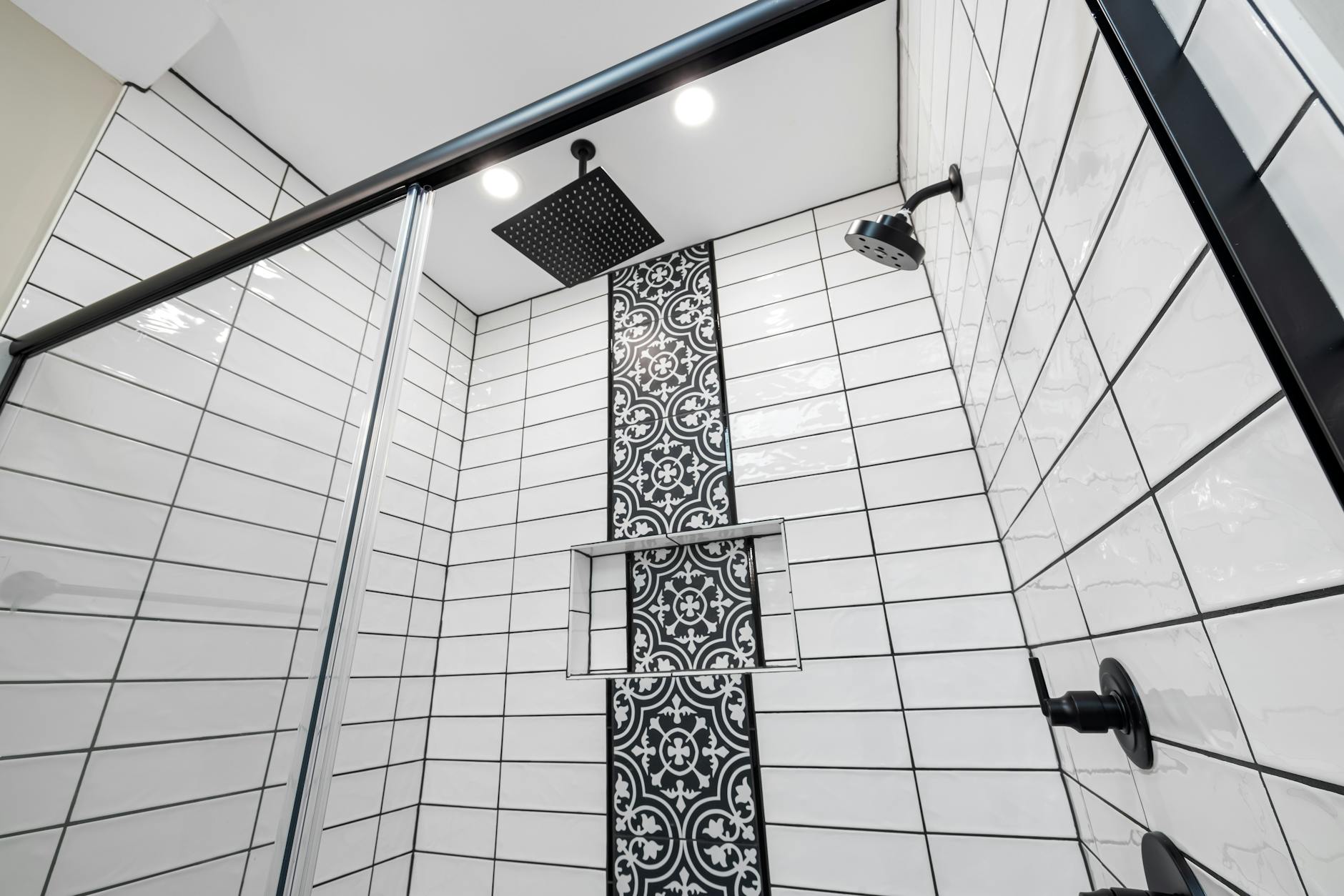
Matching grout to your tile creates a seamless, continuous look that reads as modern and clean. Contrasting grout — dark grout with light tile, for example — emphasizes the tile pattern and adds visual texture. Both approaches work, but they create very different results.
Joint width matters too. Rectified tiles — tiles that are precisely cut to consistent dimensions — allow for tight 1/16 inch joints. Non-rectified tiles need wider joints (3/16 inch or more) to accommodate slight variations in size. Larger tiles typically use smaller joints. Mosaic tiles use wider joints.
For showers and wet areas, choose an epoxy grout or a high-quality polymer-modified grout. Standard cement grout absorbs water and stains over time. HGTV Canada identifies grout maintenance as one of the most common complaints homeowners report after bathroom renovations — choosing the right grout from the start prevents that problem.
Colour and Pattern: Keep the Long View in Mind
Tile is semi-permanent. It costs real money to replace, and you will live with your choice for ten to twenty years. Trendy colours and bold patterns feel exciting at the showroom but date quickly.
A practical approach: use a neutral tile as your primary field — white, warm grey, greige, or soft beige — and add personality through grout colour, tile format, or a feature wall. If you want a statement, keep it contained to one surface. The shower back wall, the floor, or a niche are all good places to introduce a bolder choice without committing the whole room.
Homeowners in Kanata, Barrhaven, and Nepean consistently tell us the same thing after their renovation is complete: they are glad they chose a classic over a trend. The bathroom still feels fresh five years later because the bones are timeless.
Budget Guidance for Ottawa Homeowners
Tile cost in a bathroom renovation has two components: material and labour. Tile labour in Ottawa runs approximately $10–$18 per square foot for a standard install, depending on tile size, pattern complexity, and surface preparation required. Large-format tile costs more to set because the walls and floors must be flatter — any variation shows through a big tile that would hide under a smaller one.
A typical Ottawa bathroom uses 80–120 square feet of tile. At mid-range porcelain pricing, expect to spend $2,500–$5,000 on tile material and labour combined for a standard main bathroom. A primary ensuite with a feature shower wall and heated floor will cost more.
Your tub to shower conversion or full renovation budget should always include a 10–15% overage for tile. Cuts, breakage, and pattern matching all require extra material. Order more than you think you need. Matching tile from the same dye lot later is difficult and often impossible.
Work With a Contractor Who Handles the Full Process
The tile itself is only part of the result. Proper substrate preparation — cement board, waterproofing membrane, flat and level surfaces — determines whether your tile job holds up over time. A beautiful tile installed over a poor substrate will crack, shift, or allow water intrusion within a few years.
Miracle Dream Homes has been completing bathroom renovations across Ottawa since 2004. Our team handles everything from demolition and waterproofing to tile setting and grouting — all under one roof, with no subcontracting chaos. When the tile is done, it is done right.
Request a free quote today and let us help you choose the right tile for your bathroom and your budget.