
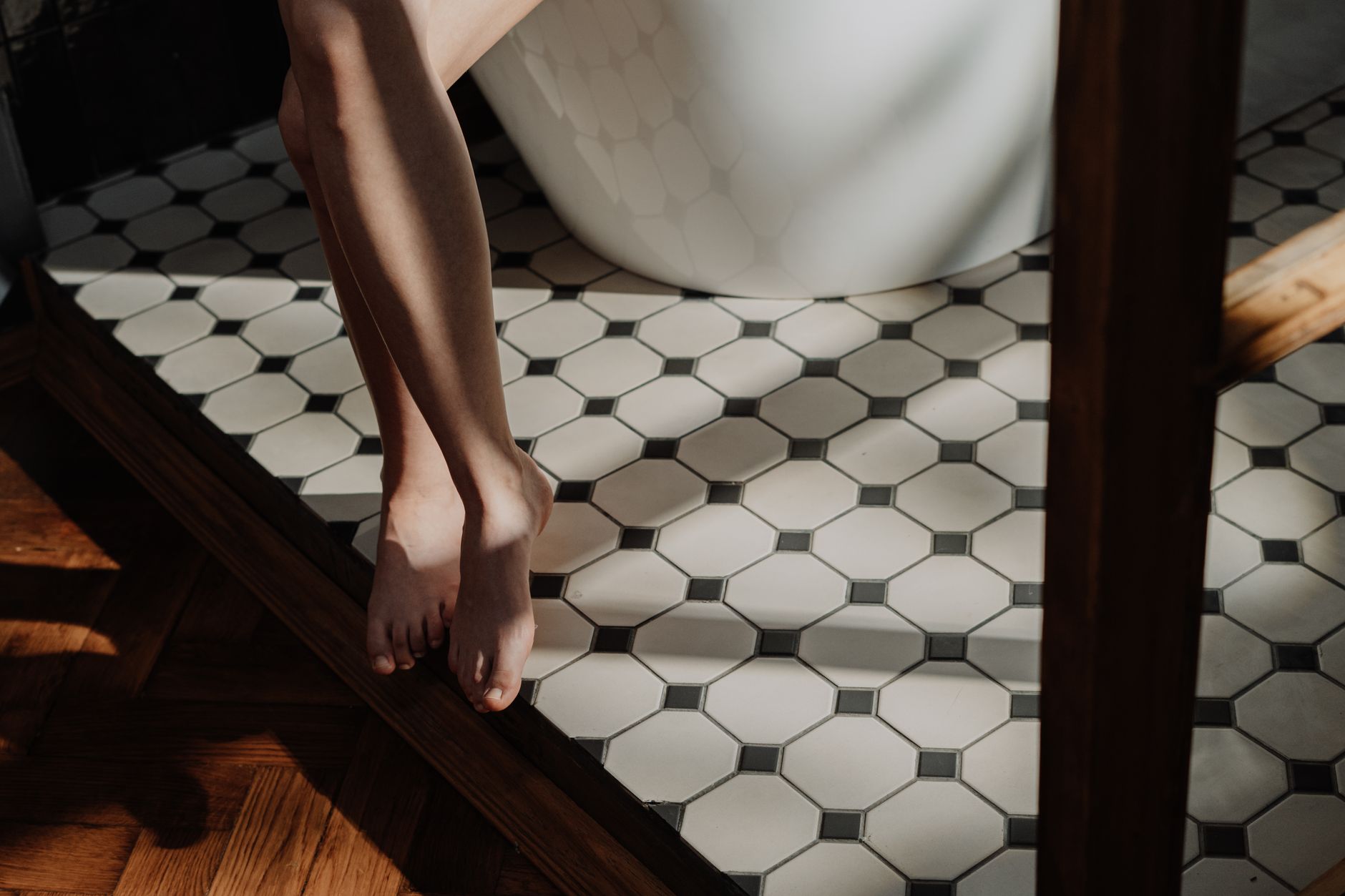
Stepping onto a cold tile floor on a February morning in Ottawa is not pleasant. For homeowners planning a bathroom renovation, heated floors come up as a question early in the process. Are they worth the added cost?
For most Ottawa homes, the answer is yes — especially when the installation happens during a full bathroom renovation. Here is what you need to know before adding heated floors to your project scope.
Two Types of Heated Bathroom Floors
Two systems exist for heating bathroom floors: electric radiant and hydronic (water-based) radiant. Each works differently and suits different situations.
Electric Radiant Floor Heating
Electric systems use thin heating cables or mats installed beneath the tile. They connect to your home’s electrical panel. Electric systems are the most common choice for bathroom renovations because they are relatively affordable to install and work well in smaller spaces.
- Installation cost (materials and labour): $800 – $2,500 for a standard Ottawa bathroom
- Best suited for bathrooms under 150 square feet
- Heat-up time: 30 to 60 minutes
- Controlled by a programmable thermostat
You set the thermostat to turn on before you wake up, so the floor is warm when you step out. Running costs depend on how often the system operates and your local electricity rate.
Hydronic Radiant Floor Heating
Hydronic systems circulate heated water through tubing beneath the floor. They are more efficient over large areas but cost significantly more to install — typically $6,000 or more when added to an existing home. For a bathroom renovation, hydronic systems are rarely cost-effective unless you are already installing a whole-home system.
Most Ottawa homeowners choosing heated bathroom floors go with electric. It is simpler to install, easier to zone, and the payback period is more reasonable.
What Heated Bathroom Floors Cost in Ottawa
The cost depends on the size of the bathroom, the tile selected, and whether the system is going in during a new renovation or being retrofitted into an existing floor.
Installing during a renovation is always the right time to add heated floors. When the floor is already being torn out and retiled, the added cost of laying heating cables or mats underneath is far lower than retrofitting them later. Here is a breakdown for a typical Ottawa electric heated floor:
- Heating mat or cable system: $200 – $600 (depending on square footage)
- Programmable thermostat: $100 – $300
- Electrical connection: $300 – $600 (depends on panel capacity and circuit run)
- Labour during tile install: $200 – $500
Total installed cost during a bathroom renovation: approximately $800 – $2,000 for most standard Ottawa bathrooms. A standalone retrofit costs two to three times more because the existing tile has to come up first.
Are Heated Floors Worth It for Ottawa Homeowners?
According to HGTV Canada’s guide to in-floor radiant heating, homeowners who install radiant floor heating consistently rate it among the upgrades they would not give up. The satisfaction rate is high because the benefit is felt each morning, not only on the day the renovation wraps up.
In Ottawa, where temperatures drop below -20°C from December through February, heated bathroom floors deliver real daily comfort. Homeowners in Barrhaven, Kanata, Nepean, and across the Ottawa region run these systems from October through April.
From a resale standpoint, heated floors are a positive feature — not a dealbreaker either way, but a noticeable amenity when a buyer walks through on a cold day.
Which Tile Works Best with Heated Floors?
Not all tile conducts heat at the same rate. The best flooring options for use with radiant heating systems are materials with good thermal mass and conductivity.
- Porcelain tile — Excellent heat conductor, durable, and widely available in Ottawa. The top choice for most renovations.
- Ceramic tile — Works well with radiant heat, slightly less dense than porcelain but still effective.
- Natural stone (marble, slate, travertine) — Good conductor, premium look, requires sealing and more maintenance.
- Luxury vinyl plank (LVP) — Works with some electric systems, but always check the manufacturer’s specifications. Not all LVP products are rated for radiant heat.
- Laminate — Not recommended. The material is sensitive to heat and moisture.
- Thick hardwood — Poor conductor of heat. Not recommended for use over a radiant system.
If you are planning a tub to shower conversion alongside a full floor replacement, adding a heated floor system to the same project makes strong practical sense. The tile is coming up regardless, and the marginal cost is modest.
How the Installation Works
Heated floor installation in Ottawa requires a licensed electrician to connect the thermostat and heating element to your electrical panel. The system needs a dedicated GFCI-protected circuit — this is a requirement under Ontario’s electrical code.
At Miracle Dream Homes, our project team coordinates the tile installer and the electrician together. The work happens in the right sequence, and the system goes through proper inspection before tile goes down. We have seen DIY installations where the heating cable was damaged during tile-setting — once the tile is grouted, finding and fixing the break is costly and disruptive.
A proper installation also involves checking your electrical panel capacity. An electric heated floor for a 60 to 80 square foot bathroom draws roughly 1,000 to 1,500 watts. If your panel is close to capacity, your electrician will assess whether a circuit upgrade is needed before the system goes in.
Running Costs and Energy Use
Electric radiant heat converts electricity to warmth with near 100% efficiency. A programmable thermostat keeps the system efficient by running only during the hours you need it — typically 30 to 60 minutes before your morning routine starts.
Natural Resources Canada notes radiant floor systems among the more efficient electric heating options available for residential use. In a bathroom used for one to two hours daily, running costs are modest — often $5 to $20 per month depending on electricity rates and system size. You set the schedule once and the system handles the rest.
When to Add Heated Floors
The right time to add heated bathroom floors is during a full bathroom renovation — not after. When tile is already being removed and replaced, the only significant added cost is the heating mat or cable and the electrical connection. Retrofitting into an existing bathroom means pulling up finished tile, adding the system, and retiling everything again — two to three times the cost and disruption.
If you are planning a renovation and heated floors are on your list, bring it up at the start. At Miracle Dream Homes, we have been installing these systems in Ottawa homes since 2004. We work with homeowners from Gloucester to Westboro to Kemptville — and this upgrade comes up often. When the floor is going in regardless, adding heat underneath is one of the easiest decisions to make.
Request a free quote and let us know heated floors are on your wish list. We will walk you through the electrical situation, the tile options, and the cost so you have everything you need to decide.