
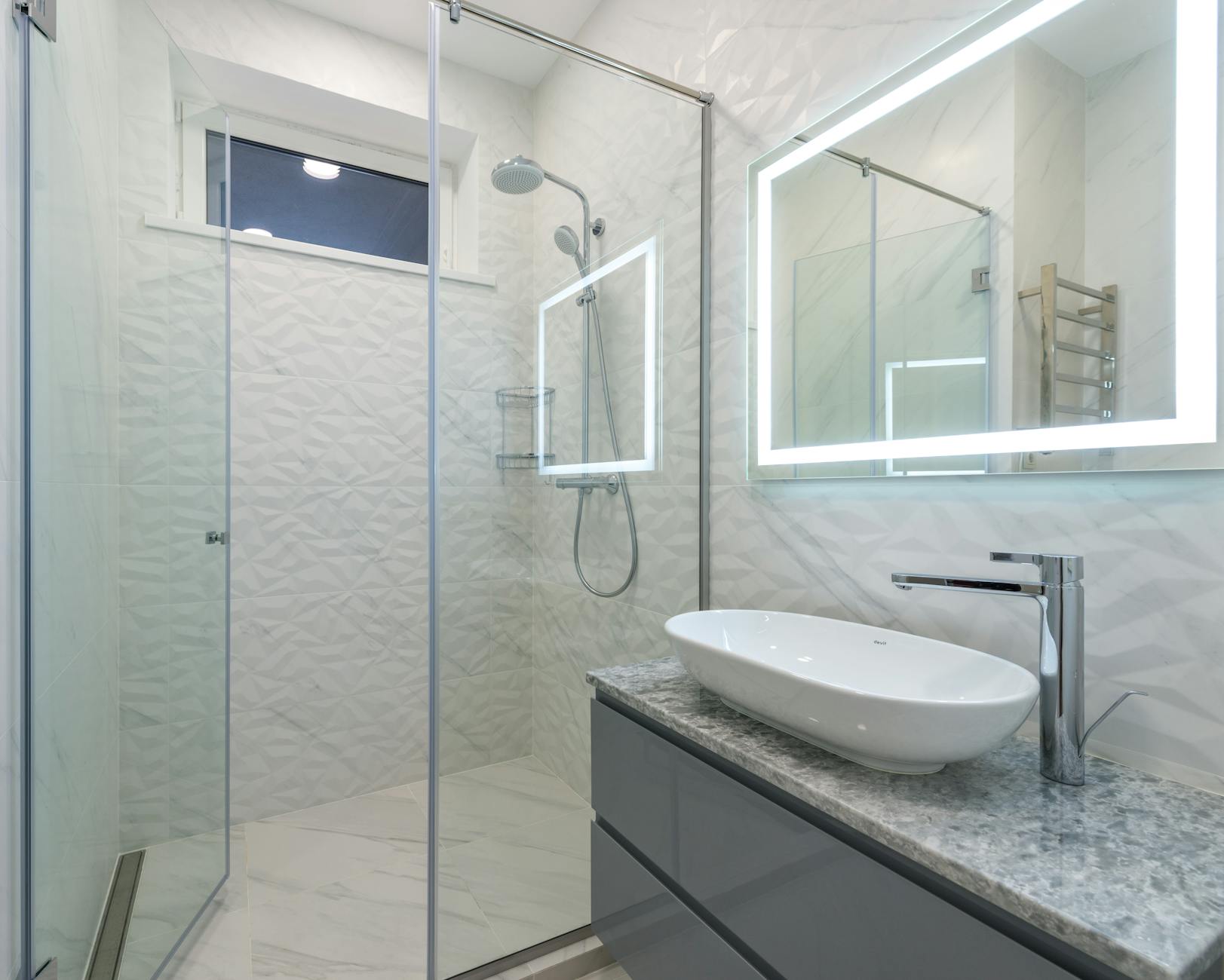
Walk-In Shower vs. Tub: Which Is Right for Your Ottawa Home?
You’re planning a bathroom renovation and you’ve hit the question every Ottawa homeowner faces sooner or later: do you keep the tub, or do you replace it with a walk-in shower?
There is no single right answer. The right choice depends on how you use your bathroom, who lives in your home, and what you want the space to look and feel like when the work is done.
This guide lays out the practical differences so you can make a clear decision before the demo begins.
Why This Decision Matters More Than You Think
The tub-or-shower question affects more than aesthetics. It shapes the layout of your entire bathroom. A walk-in shower takes up floor space differently than a tub. The plumbing rough-in changes. The tile work changes. Once you commit to one direction, reversing course mid-project adds cost and time.
Get this decision right before the renovation starts — not during it.
The Case for a Walk-In Shower
Walk-in showers have become the default choice for most Ottawa homeowners renovating a primary bathroom. Here’s why.
They’re More Practical for Daily Use
Most adults shower daily and use a tub rarely, if at all. A well-designed walk-in shower gives you a better daily experience: easier to clean, easier to enter and exit, and more comfortable to use. If you’re honest about how often you actually fill a bathtub, a walk-in shower often wins on pure practicality.
They Work Better for Accessibility
A barrier-free or low-threshold walk-in shower is the safer choice for anyone with limited mobility. Getting in and out of a tub requires stepping over a ledge while balancing — that’s a fall risk. According to Parachute Canada’s fall prevention research, falls are the leading cause of injury hospitalization among older Canadians, and the bathroom is one of the highest-risk rooms in the home.
If you’re planning to stay in your Ottawa home long-term, a walk-in shower with grab bars and a built-in bench is a smart investment now rather than a rushed fix later. Our tub to shower conversion service is one of the most requested renovations we handle — and many of those clients are making the change for exactly this reason.
They Open Up the Space Visually
A glass-enclosed walk-in shower makes a bathroom feel larger. A tub, especially one with a curtain, breaks the sightline and cuts the room in half visually. In smaller Ottawa bathrooms — common in homes built in the 1970s, 80s, and 90s — removing the tub and installing a well-proportioned shower often transforms how the room feels.
They’re Easier to Keep Clean
Walk-in showers are faster to clean than tubs. There’s no tub surround to scrub, no awkward corners to reach. With the right tile and grout choices, a walk-in shower stays cleaner longer and takes less effort to maintain.
The Case for Keeping a Bathtub
There are real reasons to keep a tub — and in some situations, removing one is the wrong move entirely.
Young Children Change the Equation
If you have kids under 10 at home, a bathtub is a daily-use item. Bathing small children in a shower is not practical. For families in Barrhaven, Kanata, Stittsville, and other family-heavy Ottawa suburbs, keeping at least one tub in the home makes sense. The standard advice: if you have one bathroom, keep the tub. If you have two or more bathrooms, convert the primary ensuite to a walk-in shower and keep the tub in the main family bathroom.
Resale Value Considerations
Real estate agents in Ottawa generally advise keeping at least one bathtub in the home. Buyers with young children — or buyers who anticipate having them — see a tub as a must-have. Removing every tub from a home narrows your buyer pool when it comes time to sell.
That said, this advice comes with nuance. A beautifully tiled walk-in shower in a primary ensuite is a strong selling feature. The issue is removing the only tub in the house. If you have a second bathroom with a tub, converting your ensuite to a walk-in shower is unlikely to hurt resale and will often help it.
Soaking Tubs Serve a Specific Lifestyle
Some homeowners genuinely use their tub regularly — for soaking after workouts, for relaxation, or simply because they prefer baths. If that describes you, a freestanding soaker tub or deep alcove tub is worth the space. Don’t let renovation trends talk you out of something you actually use.
What Ottawa Homes Actually Look Like
Most homes in Ottawa were built between 1960 and 2010. They tend to have one or two full bathrooms, usually with a standard 5-foot tub-shower combo in the main bathroom and sometimes a separate ensuite.
In these homes, the most common renovation path looks like this:
- Main family bathroom: keep or upgrade the tub, retile the surround, replace the vanity and fixtures
- Primary ensuite: remove the tub, install a walk-in shower, gain usable floor space
- Older homes with one bathroom: evaluate the household carefully before removing the tub
This isn’t a rule — it’s a pattern. Your situation may call for something different. That’s what the design consultation is for.
What a Tub-to-Shower Conversion Actually Involves
If you decide to go with a walk-in shower, here’s what the conversion process looks like in a standard Ottawa home:
- Demo: the existing tub and surround are removed
- Plumbing: the drain location is adjusted to suit the new shower footprint and the valve and showerhead rough-in is updated
- Waterproofing: the shower area is fully waterproofed before any tile goes down
- Tile: walls and floor are tiled with a proper slope toward the drain
- Glass: a glass enclosure or frameless door is installed
- Fixtures: new showerhead, controls, and accessories are fitted
A standard tub-to-shower conversion in Ottawa takes 5–8 working days depending on the scope, tile complexity, and whether the plumbing requires significant reconfiguration. You can read more about the full process on our tub to shower conversion page.
What About Adding a Second Bathroom Instead?
Some Ottawa homeowners solve the tub-or-shower dilemma by adding a bathroom rather than choosing between the two. If your home has space — an unused bedroom, a large landing, or unfinished basement square footage — a bathroom addition gives you both: a walk-in shower in the primary bathroom and a tub in the new or existing secondary bathroom.
This is a larger project and a larger investment, but it eliminates the compromise entirely. It’s worth considering if your home is consistently short on bathroom capacity.
Questions to Ask Yourself Before You Decide
Work through these before your renovation consultation:
- How often do you actually use the bathtub right now?
- Are there children in the home who need regular baths?
- Does anyone in the household have mobility concerns now or in the foreseeable future?
- How many bathrooms does your home have, and does at least one other have a tub?
- Are you planning to sell within the next 5 years?
- What is your primary goal — better daily function, more accessible use, or improved resale appeal?
Your answers will point you in the right direction more clearly than any general recommendation.
How Miracle Dream Homes Approaches This Decision
When Ottawa homeowners come to us with this question, we don’t push them toward one option. We ask about their household, their home, and their goals. Then we show them what each option looks like in their specific space — because a walk-in shower that works beautifully in a 10-by-12 ensuite may feel cramped in a 5-by-8 main bathroom.
We’ve been doing bathroom renovations in Ottawa since 2004. We know what works in the homes here. Statistics Canada data consistently shows that bathroom renovations rank among the top home improvement investments Canadian homeowners make — and the decisions you make in the planning stage determine whether that investment pays off for years or creates regrets.
Get it right the first time. Request a free quote and let’s walk through the options together.